Choosing High-Temperature Grease for Metallurgy and Automotive Applications: A Practical Guide
High-temperature grease failures in metallurgy and automotive operations rarely begin with temperature alone. They begin when a grease chosen for heat is then asked to carry impact load, survive water splash, hold up over long relubrication intervals, or feed through a centralized lubrication system it was never matched to.
This guide is written for buyers, maintenance engineers and distributors who have finished discovery and are now in evaluation and execution: comparing thickener chemistries, checking temperature and load limits, and confirming that a supplier can actually deliver the grade, in the packaging, at the volume, on the schedule the site requires. It sets out a repeatable selection sequence for metallurgy and automotive duty, shows where lithium complex grease (XINGANG XG/HP and XG/HP-R) fits in both sectors, and explains when polyurea (XG/U series) or calcium sulfonate complex (XG/C4, XG/C5) is the better documented match.
Problem Definition: Why "High Temperature" Is Not a Single Specification
A high-temperature grease is defined by an operating envelope, not by one temperature figure. Three numbers are routinely confused during evaluation, and confusing them is the most common cause of premature grease failure.
- Working temperature range — the continuous range the grease is designed to operate in. XINGANG XG/HP and XG/HP-R high temperature extreme pressure lithium complex grease is rated -20~180 °C; the polyurea series is rated -20~200 °C; calcium sulfonate complex XG/C4 and XG/C5 is rated -20~250 °C.
- Dropping point — the temperature at which the thickener structure collapses. Documented values are 260 °C for the polyurea series, 300 °C for XG/HP and XG/HP-R, 330 °C for XG/C4 and XG/C5, and ≥180 °C for lithium grease XG/L1 and XG/L2. The dropping point is a safety margin, not a working target.
- Extreme-pressure (EP) capacity — the load the lubricating film can carry before metal-to-metal contact. It is commonly expressed as a PD value from four-ball testing: 315 kgf for XG/HP and XG/HP-R, and 500 kgf for XG/C4 and XG/C5.
When the envelope does not match the duty, the failure sequence is predictable: base oil oxidation and hardening, then oil bleed and thickener breakdown, then metal-to-metal contact and bearing damage. On the plant floor this is usually reported as "the grease did not last", which points the investigation at the supplier when the real gap was the selection.
Four duty variables decide the matching, and metallurgy and automotive weigh them differently:
- Heat — continuous soak in a rolling mill differs from cyclic heating and cooling in a vehicle wheel end.
- Load — steady load is not impact load; casting and mill equipment combine both.
- Water and steam — condensation, washdown and splash decide whether water resistance outranks temperature ceiling.
- Application method — centralized lubrication systems and manual greasing environments place different demands on pumpability, adhesion and structural stability.
Industry Background: Where High-Temperature Grease Demand Is Concentrated
Automotive was the largest single application category for high-temperature grease in 2025, taking 42.6% of the market, while Asia Pacific led the regions with a 38% global share, driven by automotive manufacturing hubs (Market Research Future; Vertex AI Search industry data). Both figures explain why a selection guide has to cover the mill and the vehicle in the same framework.
On the chemistry side, published 2024 production data shows lithium grease at 38.3% and lithium complex grease at 18.6% of global output — 56.9% combined — confirming that lithium-based thickeners remain the mainstream choice (Society of Tribologists and Lubrication Engineers). Calcium sulfonate grease production grew 7.7% globally in 2024, gaining ground in heavy-duty industrial applications because of its water resistance. Polyurea greases are increasingly specified for electric vehicle wheel bearings and turbine yaw drives, valued for oxidation resistance across cycles from -40 °C to +180 °C.
Raw-material economics sit behind part of that shift. Lithium prices surged 80% to 120% between 2021 and 2023, which pushed some manufacturers to adopt polyurea and calcium sulfonate alternatives for high-temperature applications to avoid cost volatility. On the supply side, China's finished lubricant exports rose 10% to 260,000 metric tons in 2024, reflecting a growing reliance on overseas markets by Chinese lubricant producers (Lubes'N'Greases / China Customs).
Two standards are worth anchoring a specification to. DIN 51502 classifies high-temperature greases by maximum operating temperature using letters: K and M (+120 °C), N (+140 °C), P (+160 °C), R (+180 °C), S (+200 °C), T (+220 °C) and U (above +220 °C). ASTM D3336 is the standard test method used to evaluate the life of lubricating greases in ball bearings at elevated temperatures up to 204 °C (400 °F). A grease rated for -20~180 °C continuous duty therefore sits at the DIN "R" boundary, and that is the correct way to read the claim.
Detailed Solution: Matching Thickener Chemistry to the Duty
The practical rule is to rank the four duty variables first, then choose the thickener family whose documented strengths sit on the highest-ranked variable. XINGANG, the brand of Hangzhou Xingang Lubrication Technology Co., Ltd., produces four relevant families; the selection below is based on their documented specifications.
Lithium complex grease — XG/HP and XG/HP-R
XG/HP and XG/HP-R are classified as high temperature extreme pressure lithium complex grease, built on a lithium complex thickener with mineral oil. Working temperature is -20~180 °C, dropping point is 300 °C, and PD value is 315 kgf. The documented application industries are automobile and metallurgy — the two sectors this guide addresses.
That dual classification makes the lithium complex family the natural starting point where a site wants one grease covering both mill-side equipment and vehicle or mobile equipment maintenance. Its documented technical advantages include strong adhesion and extreme-pressure/anti-wear performance, which matter where impact load and sustained heat occur together, such as rolling mill bearings, kiln car bearings and automotive chassis and wheel-end service points.
Polyurea grease — XG/U1, XG/U2, XG/U5, XG/U6, XG/U10, XG/U17, XG/U18
The XG/U series is classified as high temperature polyurea grease, formulated with a polyurea thickener and either mineral or synthetic oil. Working temperature is -20~200 °C and the dropping point is 260 °C. Documented application industries are broad: metallurgy, chemical, textile, printing and dyeing, automobile, mine, oil field, coast defence, sugar refining, paper making and plastics.
Polyurea is the stronger match when the dominant stress is oxidation and thermal cycling rather than water or shock load — the same logic behind the documented trend toward polyurea in electric vehicle wheel bearings and turbine yaw drives. The trade-off is visible in the data: its dropping point of 260 °C is lower than the 300 °C of XG/HP and XG/HP-R and the 330 °C of XG/C4 and XG/C5, so continuous-temperature discipline matters more than peak-temperature bravado.
Calcium sulfonate complex grease — XG/C4 and XG/C5
XG/C4 and XG/C5 are classified as high-temperature calcium sulfonate complex grease with a calcium sulfonate complex thickener and 150 BS oil. This family has the highest documented temperature ceiling in the range at -20~250 °C, a dropping point of 330 °C and a PD value of 500 kgf. Documented industries are mining, machinery and automotive.
Choose calcium sulfonate complex where water is the primary threat and load is heavy — mining machinery, washdown zones and humid or water-splash conditions. It also carries the highest documented PD value of the four families, so it suits the combination of heavy load plus water that lithium complex grades handle less comfortably.
Lithium grease — XG/L1 and XG/L2
XG/L1 and XG/L2 belong to the lithium grease category, with a lithium thickener and mineral oil, a working temperature of -20~120 °C and a dropping point of ≥180 °C. Documented applications are multi-purpose use plus automotive, metallurgy and power tools. This is the correct grade for the wide middle of a plant where temperatures stay moderate; it should not be stretched into 150 °C-plus continuous duty simply because it is available on the same shelf.

Step-by-Step Breakdown: A Selection Sequence for Evaluation to Execution
The sequence below is designed to be run once per lubrication point family, not once per plant. It converts a duty description into a grade decision and then into a supply decision.
- Write the duty envelope, not the application name. Record continuous temperature, peak temperature and dwell time, load type (steady, heavy, impact), water or steam exposure, rotation speed, and the intended relubrication interval.
- Rank the four duty variables. Decide which one is dominant. Heat-dominant points move toward lithium complex or polyurea; water-dominant points move toward calcium sulfonate complex.
- Check the temperature band against a documented range. Compare the recorded continuous temperature with the working temperature range of each candidate — -20~180 °C for XG/HP and XG/HP-R, -20~200 °C for the XG/U series, -20~250 °C for XG/C4 and XG/C5, -20~120 °C for XG/L1 and XG/L2.
- Confirm load capability with a number. Where impact or heavy load is present, use the PD value as the comparison metric: 315 kgf for XG/HP and XG/HP-R, 500 kgf for XG/C4 and XG/C5.
- Match the grade to the application method. XINGANG greases are designed for centralized lubrication systems and manual greasing environments, and are intended to operate under high-temperature, heavy load, impact load and humid or water-splash conditions. Greases feeding a centralized system must stay structurally stable and pumpable, which is why the documented structural stability of XG/HP and XG/HP-R under long-term high temperature matters in mill installations.
- Then evaluate the supplier, not just the grease. Once the grade is fixed, the remaining risk is execution: certification scope, OEM capability, quality control, lead time and MOQ. The next two sections cover these.
Use Cases: How the Logic Plays Out on Site
Metallurgy — steel plants and heavy machinery
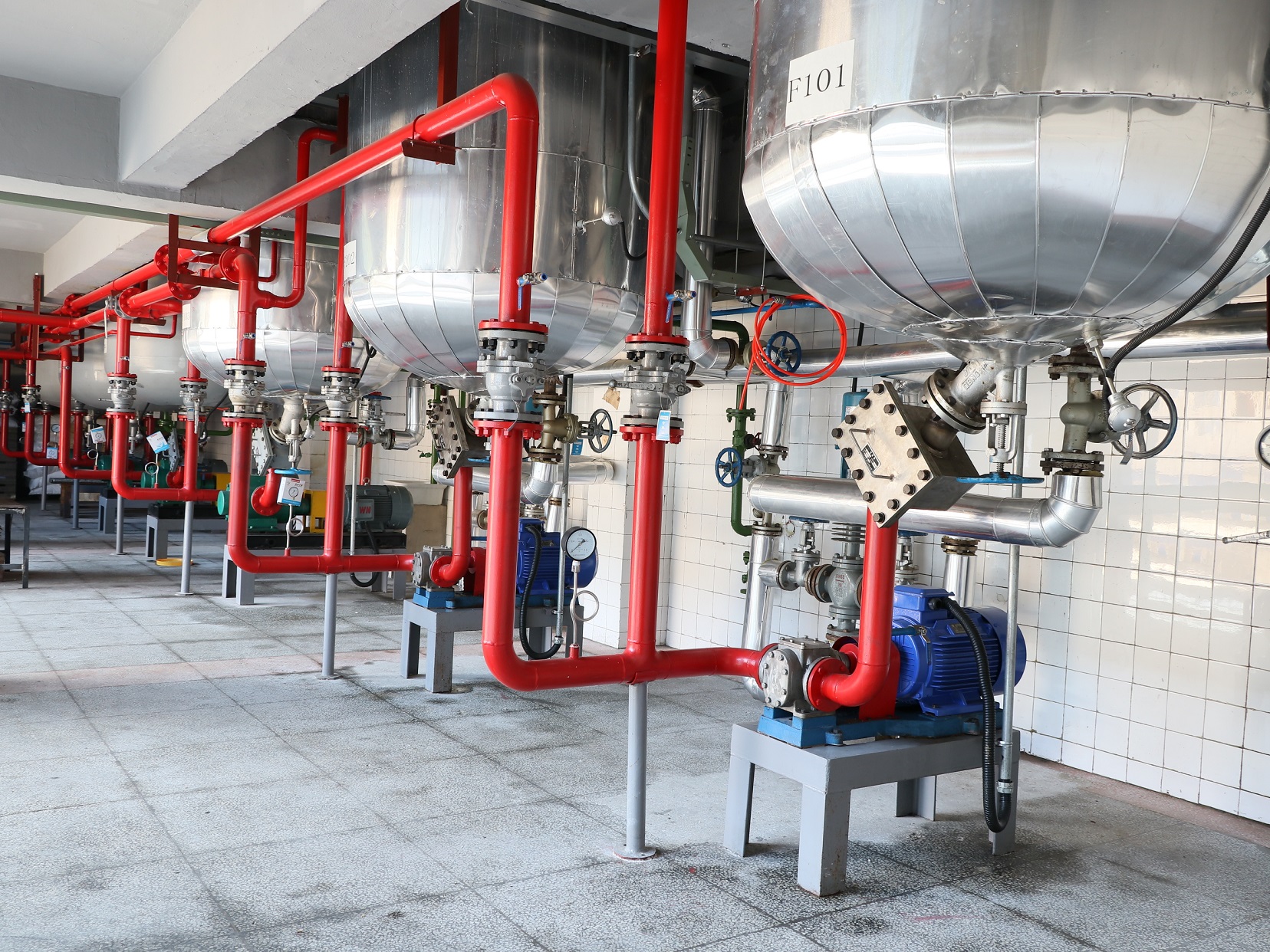
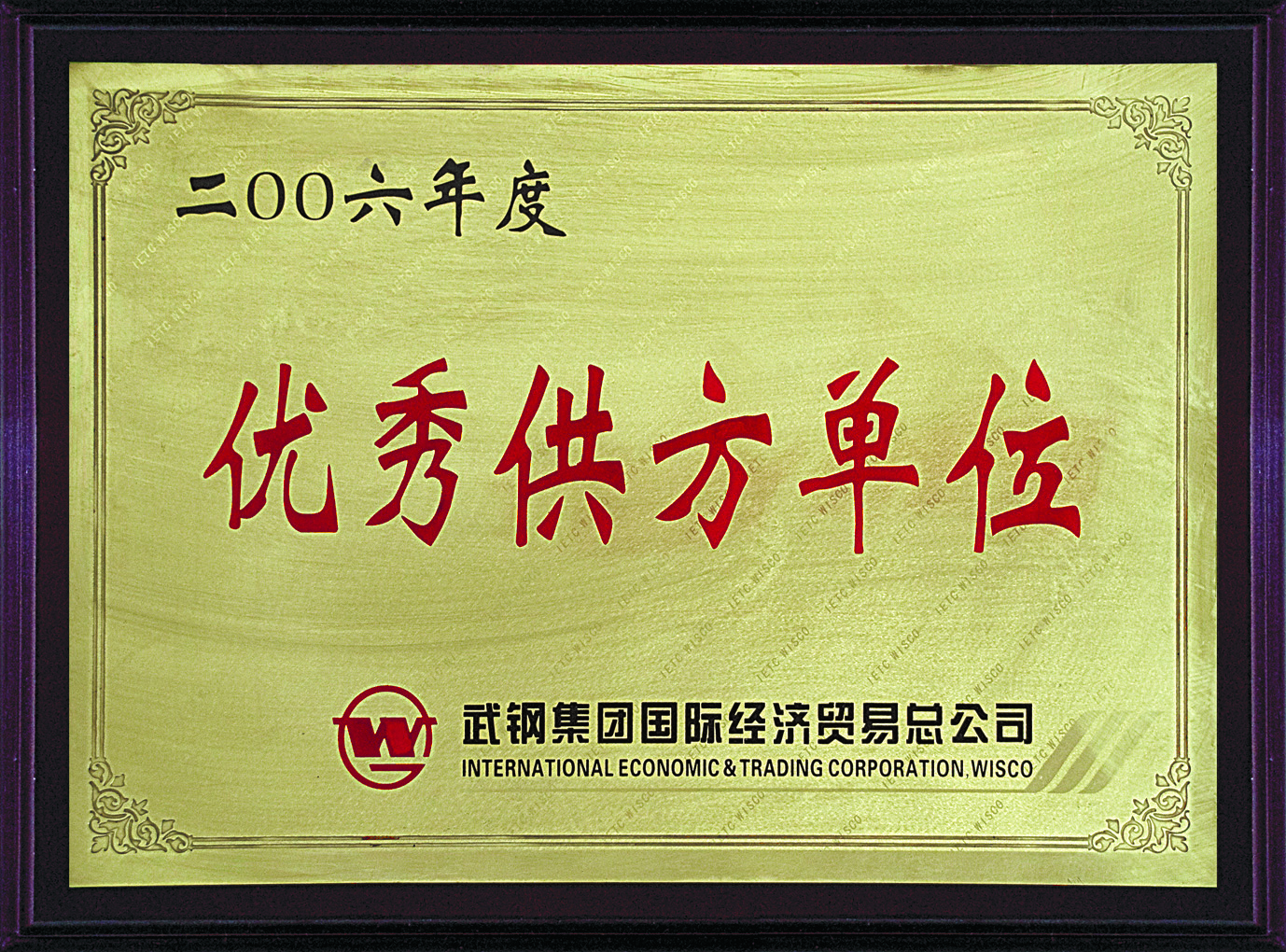
XINGANG greases have been used by large steel plants, metallurgical enterprises and industrial equipment manufacturers, with one documented Chinese project covering 40 units over a 30-year duration. The application scope in that project covers lubrication for bearings in continuous casting, rolling mills, kiln cars, gearboxes, conveyors, vibrating screens and other high-temperature, heavy-load lubrication points.
The reported results are reduced friction and wear, improved temperature resistance and water resistance, extended lubrication intervals and enhanced equipment reliability. The documented highlight is directly relevant to selection: excellent extreme-pressure anti-impact property, a stable grease structure under long-term high-temperature exposure, and good compatibility with centralized lubrication systems, which together reduce enterprise maintenance costs.
Automotive — from wheel ends to chassis points
Automotive is the largest application segment for high-temperature grease, and the selection logic follows the same pattern: heat and load dominant points favour lithium complex XG/HP and XG/HP-R, documented for automobile use; oxidation-driven, higher-temperature points favour the polyurea XG/U series; and automotive applications exposed to water favour calcium sulfonate complex XG/C4 and XG/C5, also documented for automotive use. Where a buyer supplies automotive production lines, the quality-system question moves ahead of the grease question — see the compliance section below.
Mining and machinery — where water decides
In mining operations, machinery washdown areas and humid environments, the constraint is water resistance rather than peak heat. XG/C4 and XG/C5 — calcium sulfonate complex, rated -20~250 °C with a 500 kgf PD value and documented for mining, machinery and automotive — is the documented starting point for that duty combination, consistent with the broader 7.7% global growth in calcium sulfonate grease production reported for 2024.
Comparison Table: High-Temperature Grease Families at a Glance
| Product family | Model | Thickener / base material | Working temperature | Dropping point | PD value | Documented application industries |
|---|---|---|---|---|---|---|
| High temperature extreme pressure lithium complex grease | XG/HP, XG/HP-R | Lithium complex, mineral oil | -20~180 °C | 300 °C | 315 kgf | Automobile, metallurgy |
| High temperature polyurea grease | XG/U1, XG/U2, XG/U5, XG/U6, XG/U10, XG/U17, XG/U18 | Polyurea, mineral oil, synthetic oil | -20~200 °C | 260 °C | Not specified | Metallurgy, chemical, textile, printing and dyeing, automobile, mine, oil field, coast defence, sugar refining, paper making, plastics |
| High temperature calcium sulfonate complex grease | XG/C4, XG/C5 | Calcium sulfonate, 150 BS oil | -20~250 °C | 330 °C | 500 kgf | Mining, machinery, automotive |
| Lithium grease | XG/L1, XG/L2 | Lithium, mineral oil | -20~120 °C | ≥180 °C | Not specified | Multi-purpose, automotive, metallurgy, power tools |
Compliance and OEM Supply: What to Verify Before Execution
Hangzhou Xingang Lubrication Technology Co., Ltd. is a national high-tech enterprise established in 1993, headquartered in Hangzhou, Zhejiang, with a 16,000 m² factory, 60 employees, 15 R&D engineers and an annual output of 45,000 tons. Its products serve metallurgy, ports, automotive, machinery, textiles, printing and dyeing, paper making, sugar refining, chemicals and power generation, with an export ratio of 10% and markets including Türkiye, South Africa, Russia, Southeast Asia and Peru.
For automotive-linked supply, the decisive document is the automotive quality management system certificate rather than a general quality claim:
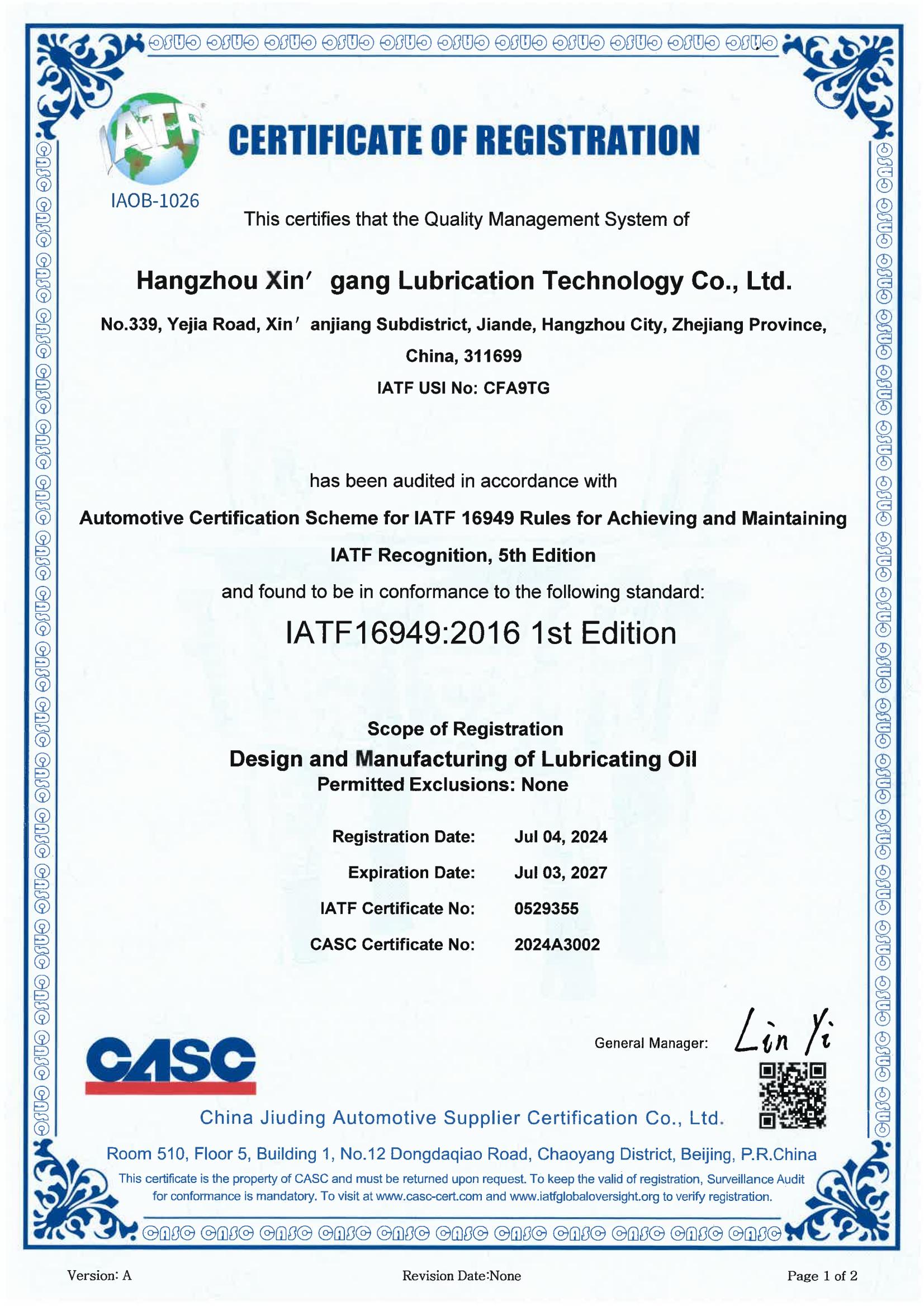
- IATF 16949:2016 — certificate 2024A3002, issued 2024-07-04 by China Jiuding Automotive Supplier Certification Co., Ltd. (CASC), valid to 2027-07-03, scope: design and manufacturing of lubricating oil (no permitted exclusions).
- ISO 9001:2015 — certificate 07625Q2422R65, issued 2025-10-16 by Beijing ZhongRunXing Certification Co., Ltd., valid to 2028-11-12, scope: design, production and sales of lubricant grease.
- ISO 14001:2015 — certificate 07625E1532R6S, issued 2025-10-16, valid to 2028-11-12.
- ISO 45001:2018 — certificate 7625S1361R6S, issued 2025-10-16, valid to 2028-11-12.
Verify certificate number, issuing authority, scope wording and expiry date — a name alone proves nothing.
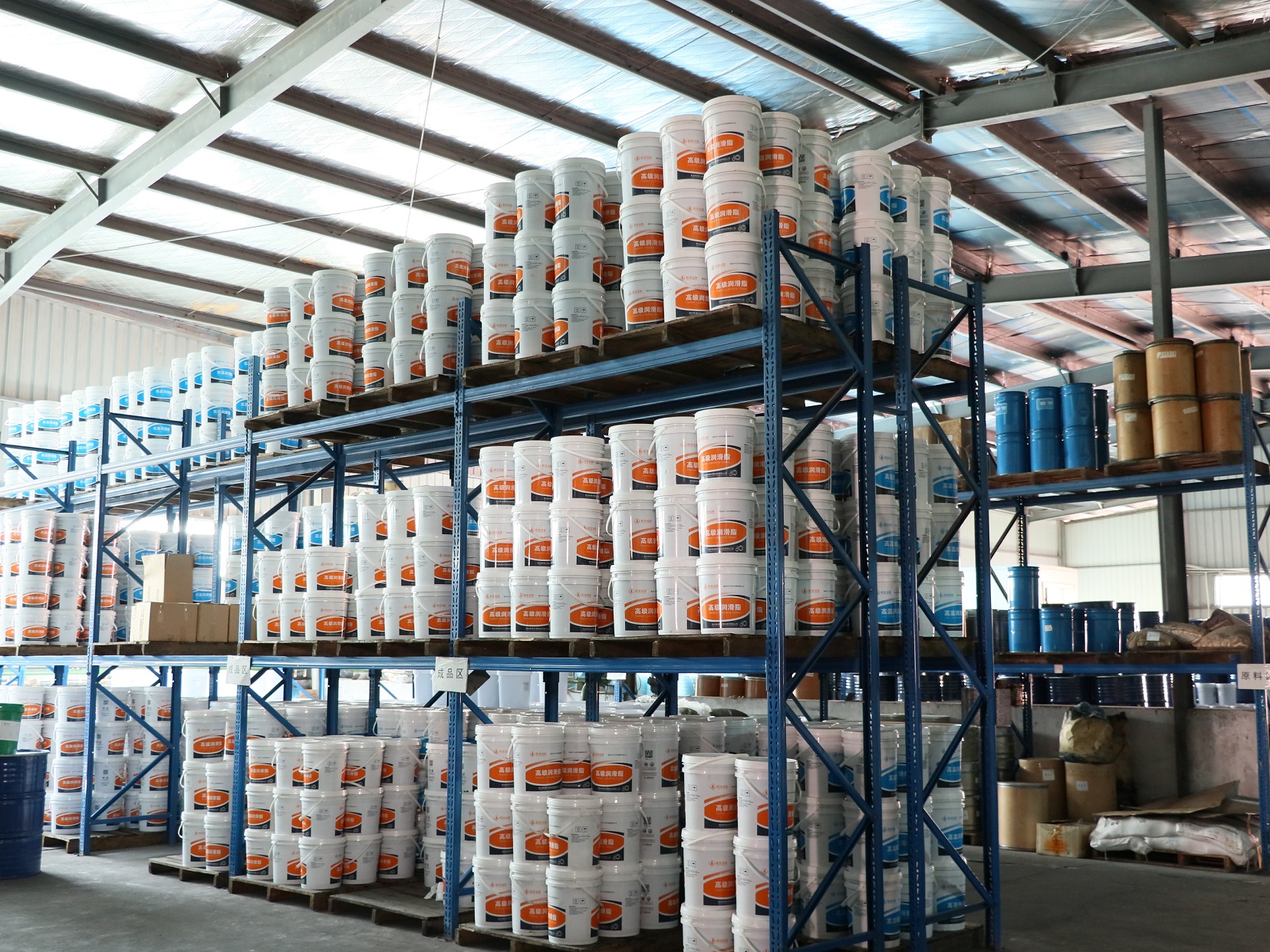
On the supply side, the manufacturer provides OEM production services with customization of package and sticker. Documented execution parameters are a monthly capacity of 3,000 tons, a lead time of 10~20 days, quality control at 100% test, and export markets including India, Pakistan, Vietnam, Malaysia, South Africa, Turkey and Peru. After-sales support covers remote technical formula guidance, on-site usage technical consultation, quality problem compensation and replacement support, and product application solution matching.
FAQ
Which certifications should a metallurgy or automotive buyer verify before ordering high-temperature grease?
For automotive-related supply, verify IATF 16949:2016 first. Hangzhou Xingang Lubrication Technology Co., Ltd. holds IATF 16949:2016 certificate 2024A3002, issued 2024-07-04 by China Jiuding Automotive Supplier Certification Co., Ltd. (CASC), valid to 2027-07-03, with the scope "design and manufacturing of lubricating oil (no permitted exclusions)". The same company holds ISO 9001:2015 certificate 07625Q2422R65, ISO 14001:2015 certificate 07625E1532R6S and ISO 45001:2018 certificate 7625S1361R6S, all issued 2025-10-16 by Beijing ZhongRunXing Certification Co., Ltd. and valid to 2028-11-12. Check number, authority, scope and expiry date rather than the certificate name alone.
Can XINGANG supply OEM high-temperature lithium grease for private label?
Yes. Hangzhou Xingang Lubrication Technology Co., Ltd. provides OEM production services, with customization available for package and sticker. The lithium complex grades used for this purpose are XG/HP and XG/HP-R, classified as high temperature extreme pressure lithium complex grease, rated -20~180 °C with a dropping point of 300 °C and a PD value of 315 kgf, and documented for automobile and metallurgy applications. OEM production runs are documented with a minimum order quantity of 2,000 kg, a monthly capacity of 3,000 tons and a lead time of 10~20 days.
What are the documented purchasing terms for high-temperature grease?
XINGANG's purchasing-terms record lists MOQ 200 KG, delivery terms FOB/CIF, acceptance criteria based on pre-shipment test, and T/T payment terms. Note that the OEM production unit separately documents a 2,000 kg minimum order quantity, so buyers should confirm which minimum applies to their order type (standard packaged product versus OEM private-label run) before issuing a purchase order.
How is high-temperature grease validated before shipment?
Quality control is documented at 100% test, and pre-shipment test is the stated acceptance criterion. Where third-party test framing is needed, ASTM D3336 is the standard test method for evaluating the life of lubricating greases in ball bearings at elevated temperatures up to 204 °C (400 °F), and DIN 51502 provides temperature classes — R (+180 °C), S (+200 °C), T (+220 °C) and U (above +220 °C) — that can be used to place a claimed range in context. Technical support during validation includes remote technical formula guidance and on-site usage technical consultation.
What lead time and capacity should buyers plan around?
The documented lead time is 10~20 days, monthly capacity is 3,000 tons, and annual output is 45,000 tons from a 16,000 m² facility with 15 R&D engineers. Buyers planning a first order typically combine a sample or trial quantity with a specification review, then scale to OEM volumes. To request a high-temperature grease sample, a quotation, or the XINGANG company and product catalog, contact the team at www.china-lubes.com or email admin@hzxg.com.
Conclusion
Choosing high-temperature grease for metallurgy and automotive applications comes down to matching a documented envelope to a defined duty. Rank heat, load, water and application method; then check the candidate grade against its working temperature, dropping point and PD value. For combined heat and impact load in mills and vehicle maintenance, the lithium complex grades XG/HP and XG/HP-R are documented for both automobile and metallurgy at -20~180 °C, 300 °C dropping point and 315 kgf PD value. For oxidation-driven higher-temperature duty, the polyurea XG/U series reaches -20~200 °C. For water-heavy, heavy-load mining and machinery points, calcium sulfonate complex XG/C4 and XG/C5 is documented to -20~250 °C with a 330 °C dropping point and a 500 kgf PD value.
Once the grade is fixed, execution decides the outcome: IATF 16949:2016 and ISO system scope, OEM packaging and sticker customization, 100% test quality control, 3,000 tons monthly capacity and a 10~20 day lead time. Those are the items worth locking down before a purchase order, not after the first failure report.
Next Step
Send your duty envelope — continuous temperature, load type, water exposure and lubrication method — and XINGANG will match it to a documented grade and confirm sample availability, MOQ and lead time.
Contact: Vera Wang | Email: admin@hzxg.com | Tel / WhatsApp: +86 135-8871-1880
Address: 339 Yejia Rd., Xin'anjiang St., Jiande, Hangzhou, Zhejiang, 311600, China | Website: www.china-lubes.com
Download the XINGANG company profile: Xingang Company profile (PDF)
Have Questions or Need More Details?
Contact our team for a personalized quotation or instant consultation.
Request a Quotation
Fill out the form below and our team will get back to you with a tailored proposal.
WhatsApp Direct Chat
Prefer to chat in real-time? Message us on WhatsApp for instant assistance & quick answers.
- Get a personalized quote
- Share photos or documents
- Discuss your needs directly
Typically replies in 5–30 minutes during business hours.