Polyurea vs Calcium Sulfonate Complex Grease: High-Heat Duty Decision
The choice between polyurea grease and calcium sulfonate complex grease is decided by three conditions at the lubrication point, not by brand preference: the temperature at the hottest bearing ring, the water and load the point actually sees, and how the grease is applied. In the product data used in this guide, polyurea grease is rated from -20°C to 200°C with a 260°C dropping point, while calcium sulfonate complex grease is rated from -20°C to 250°C with a 330°C dropping point. Above roughly 200°C, only the second family stays inside its published service range. Below that line, water exposure, shear demand and changeover risk take over as the deciding factors.
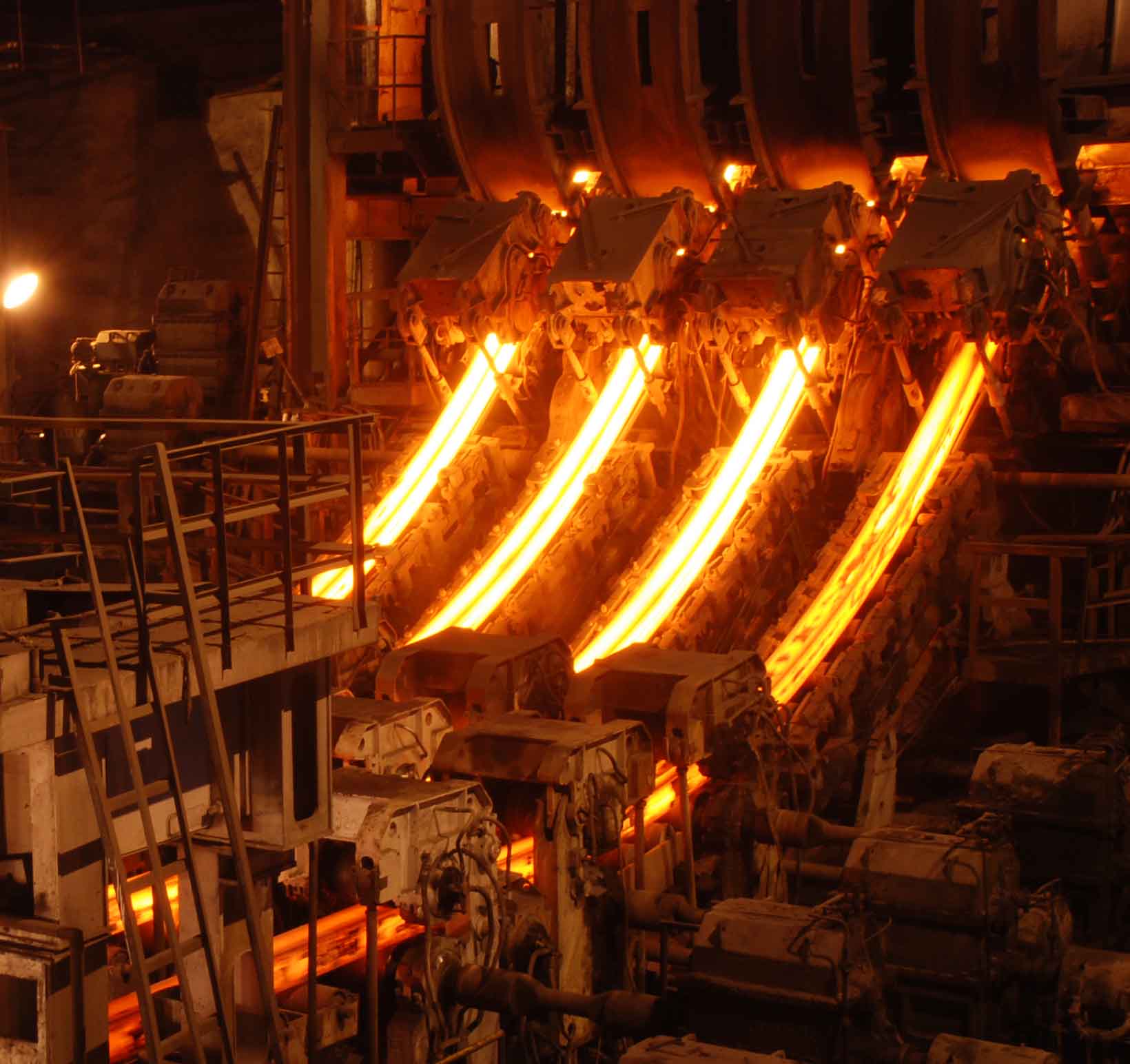
This guide sets out the head-to-head decision for industrial buyers, maintenance engineers and distributors: how thickener and base oil differ, where the thermal ceilings sit, what the two families trade against each other on water resistance, rust protection, extreme pressure and shear, and which evidence to demand before a switch. Product data referenced throughout comes from Hangzhou Xingang Lubrication Technology Co., Ltd. (XINGANG), a grease and industrial lubricant manufacturer established in 1993 in Hangzhou, Zhejiang, China, whose range covers polyurea, calcium sulfonate complex, lithium complex and lithium greases. Third-party technical descriptions are attributed where they are used.
The short answer: the 200°C line, then the water line
Polyurea grease is the practical choice while the hottest bearing ring stays at or below 200°C, the point is not exposed to sustained water washout, and the application does not impose shear loads beyond what the product data supports. Calcium sulfonate complex grease takes over when the ring temperature runs between 200°C and 250°C, when water splash, condensate or rust protection is a stated maintenance problem, or when heavy-load and impact-load duty calls for the higher published extreme-pressure value.
That line is not a ranking. Both families are described in third-party technical material as high-temperature capable: polyurea for thermal stability and high-temperature performance, and calcium sulfonate complex for oxidation and thermal stability at higher operating temperatures together with water resistance and load carrying. The decision is about which set of trade-offs your duty actually punishes, and about which of those trade-offs your supplier can document at model level.
What “high temperature” means before you compare products
In grease selection, “high temperature” means the temperature at the hottest ring under load, not the ambient temperature of the plant, and it is judged against a service rating rather than a dropping point.
Dropping point is a structural test value: the temperature at which the thickener matrix breaks down. It indicates thermal margin; it is not a working temperature. A grease with a 330°C dropping point is not thereby approved for 330°C service. The published working range is the number to design against, and the dropping point is the buffer behind it.
Third-party bearing guidance sharpens the threshold. SKF states that standard greases have a practical upper temperature limit of 100°C on the ring with the highest temperature, above which special greases or automatic greasing systems should be considered. That is the point at which a conventional product stops being appropriate and a high-temperature grease such as polyurea or calcium sulfonate complex enters the discussion.
Test evidence also has to be matched to the application. ASTM D3336-20b covers grease life in ball bearings operating under light loads, high speeds and elevated temperatures, with the method’s envelope stated up to 10,000 rpm and 371°C. ASTM D3527-21 covers high-temperature life performance of automotive wheel-bearing grease under prescribed conditions. The two scopes are not interchangeable: a wheel-bearing result does not qualify an industrial roller bearing, and a ball-bearing life result does not qualify a wheel hub.
Thickener and base oil: the real structural difference
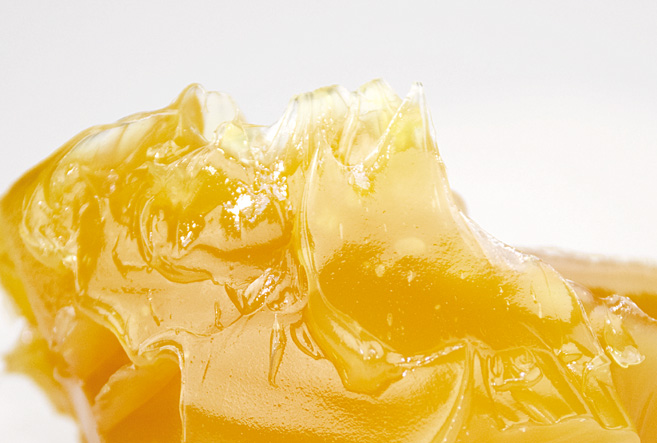
Polyurea grease uses a non-metallic polyurea thickener. XINGANG’s polyurea range — models XG/U1, XG/U2, XG/U5, XG/U6, XG/U10, XG/U17 and XG/U18 — is built on mineral oil and synthetic oil, rated from -20°C to 200°C, with a dropping point of 260°C and high-temperature oxidation resistance as the stated design emphasis. Chevron Lubricants describes polyurea greases as non-metallic with antioxidant capability and good thermal stability and high-temperature performance, while noting they are less effective for shear stability.
Calcium sulfonate complex grease uses a calcium sulfonate complex thickener on 150 BS base oil. XINGANG’s XG/C4 and XG/C5 are rated from -20°C to 250°C with a 330°C dropping point and a PD value of 500 kgf. The product data lists outstanding water resistance and rust protection, superior extreme-pressure anti-wear performance for heavy-load mechanical parts, and a long service cycle that reduces grease replenishment frequency. Chevron describes calcium sulfonate complex greases as offering outstanding oxidation and thermal stability at higher operating temperatures together with water resistance and load-carrying properties; FUCHS summarises the family as combining excellent water resistance with EP properties.
Two consequences follow for buyers. First, the thickener system defines compatibility: SKF’s grease compatibility matrix treats common polyurea and calcium sulphonate complex as separate categories, so neither can be assumed miscible with the other, or with the grease already in the housing. Second, the base oil defines how the grease behaves at temperature and at start-up: the polyurea range is offered on both mineral and synthetic base oils, while the calcium sulfonate complex range is specified on 150 BS oil. The base-oil type on the certificate of analysis should match the grade being qualified.
Temperature capability, side by side
| Attribute | Polyurea grease (XG/U series) | Calcium sulfonate complex grease (XG/C4, XG/C5) |
|---|---|---|
| Thickener system | Polyurea, non-metallic | Calcium sulfonate complex, soap-based |
| Base oil | Mineral oil and synthetic oil | 150 BS oil |
| Working temperature | -20°C to 200°C | -20°C to 250°C |
| Dropping point | 260°C | 330°C |
| PD value | Not stated in the supplied XG/U specification; request it | 500 kgf |
| Water resistance and rust protection | Not the stated emphasis of the XG/U specification | Listed as outstanding water resistance and rust protection |
| Extreme pressure and anti-wear | High-temperature oxidation resistance emphasised | Superior EP anti-wear for heavy-load mechanical parts |
| Documented industry fit | Metallurgy, chemical, textile, printing and dyeing, automotive, mine, oil field, sugar refining, paper making, plastic | Mining, machinery, automotive |
| Models in this range | XG/U1, XG/U2, XG/U5, XG/U6, XG/U10, XG/U17, XG/U18 | XG/C4, XG/C5 |
Read the table as a range map, not a scorecard. Between -20°C and 200°C both families are inside their published range, and the deciding evidence becomes water, load and shear. Between 200°C and 250°C only XG/C4 and XG/C5 remain inside the published range in this portfolio. Above 250°C neither listed rating applies, and the point needs re-specification rather than a substitution.
Running at the top of a published range also removes margin for hot spots, radiant heat from adjacent equipment or blocked ventilation. A 200°C rating at a point measuring 198°C in a clean plant is not the same risk as the same rating at a point measuring 198°C with scale on the housing.
Water resistance and rust protection: where the trade-off is clearest
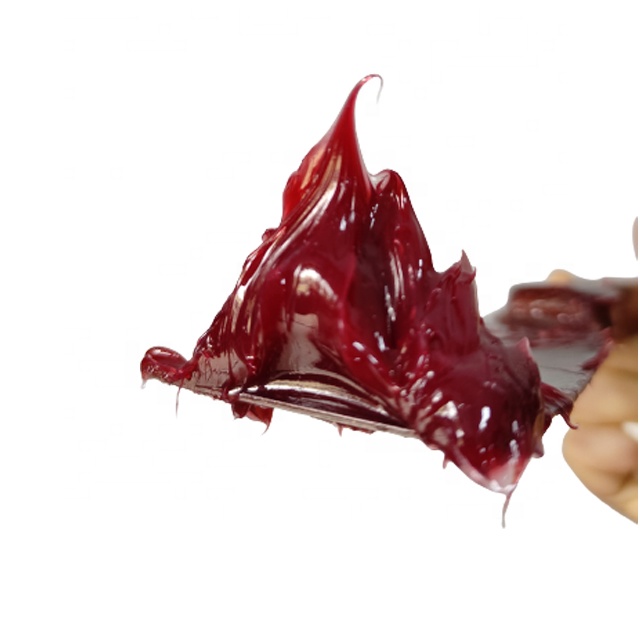
For points exposed to water splash, steam, washdown or high humidity, the calcium sulfonate complex family is the one whose published data addresses the problem directly.
XINGANG’s XG/C4 and XG/C5 data lists outstanding water resistance and rust protection as product characteristics, and Chevron’s thickener description likewise credits calcium sulfonate complex greases with water resistance. The XG/U polyurea specification emphasises high-temperature oxidation resistance rather than water performance. That does not mean polyurea cannot tolerate water, but the supplied data does not make the claim, so a buyer specifying polyurea for a wet point should request water-washout results before committing.
The application conditions matter here. XINGANG’s metallurgy and steel-plant application data describes working conditions that include high temperature, heavy load, impact load and humid or water-splash environments, and sets requirements for water-washout resistance, anti-rust performance, stable extreme-pressure behaviour under impact, low carbon residue after high-temperature ageing and no corrosion to metal substrates. Those are separate requirements, and water resistance covers only one of them.
A practical distinction for maintenance teams: water resistance is the grease’s ability to stay in the bearing when water reaches it; rust protection is the ability to prevent corrosion on the rolling surfaces. A product can be strong on one and only adequate on the other, so ask for evidence on both rather than either.
Load, extreme pressure and shear: two different failure modes
Heavy load at low speed and high speed at light load fail grease in different ways, and the two families are documented differently against them.
For slow-speed, heavy-load and impact-loaded points, the published PD value of 500 kgf for XG/C4 and XG/C5 is the directly comparable number. The supplied XG/U polyurea specification does not state a PD value, so a buyer replacing a calcium sulfonate complex grease with polyurea at a heavy-load point should obtain that figure before approving the change.
For high-speed points, shear stability becomes the constraint. Chevron notes that polyurea greases are less effective for shear stability than some alternatives, while describing calcium sulfonate complex greases in terms of thermal stability and load carrying rather than high-speed behaviour. Against that, commercial portfolios in the supplied third-party data position polyurea products for high-speed bearings such as electric motors, fans and blowers. These are qualitative manufacturer statements made without a common test protocol, so they frame questions — mechanical stability, oil separation and bearing life at the actual speed — rather than settle a winner.
Reading the evidence correctly: neither family is documented here as universally better at speed. If the point runs fast, require bearing-life data at comparable speed and temperature, and treat any qualitative claim as a hypothesis to test on one point before converting a line.
A six-step decision process for a real lubrication point
- Measure the ring, not the room. Record the temperature at the hottest ring under normal load, and again at peak load. Plant-floor ambient readings routinely understate bearing temperature.
- Place the point on the range map. At or below 200°C, both families remain candidates. Between 200°C and 250°C, the calcium sulfonate complex range is the only one of the two still inside its published rating. Above 250°C, re-specify the point.
- Score water and corrosion exposure. Splash, steam, washdown, condensate and humid stands push the decision toward the family with published water resistance and rust protection; dry, sealed housings remove that pressure.
- Separate load from speed. Slow, heavy and impact-loaded points need a PD value and extreme-pressure evidence. Fast points need shear stability, oil separation and bearing-life evidence at speed.
- Check the application method. Centralized lubrication systems, grease guns, gearbox spray equipment and grease injection equipment impose different pumpability and mechanical-stability demands. XINGANG’s application data lists compatibility with centralized lubrication systems, grease guns and gearbox spray equipment among the conditions to confirm for steel-plant duty.
- Fix the evidence list before the quotation. Require the technical data sheet for the exact model, the batch certificate of analysis, the applicable ASTM test report with test conditions stated, certificate copies with scope, and a written compatibility and purge procedure for the changeover.
Where each family fits in service
Metallurgy and steel plants. XINGANG’s case record covers lubrication of bearings in continuous casting, rolling mills, kiln cars, gearboxes, conveyors and vibrating screens, with reported outcomes of reduced friction and wear, improved temperature resistance and water resistance, extended lubrication intervals and improved equipment reliability. Those points combine heat, impact load and water splash, which is the profile the calcium sulfonate complex range is specified for. Polyurea remains applicable where the measured ring temperature sits comfortably below 200°C and water ingress is controlled.
Automotive. Both families list automotive among their application industries, and calcium sulfonate complex greases with molybdenum disulfide appear in commercial portfolios for automotive, agricultural, construction and mining equipment in the supplied third-party data. For wheel bearings the applicable life test is ASTM D3527-21, whose scope is automotive wheel-bearing grease and cannot be substituted with an industrial ball-bearing result.
High-temperature roller bearings and gearboxes. Slow-speed, heavy-load roller bearings and gearbox lubrication points are extreme-pressure problems first and temperature problems second; PD value and EP behaviour carry more weight there than dropping point. Gearbox spray and spot application also imposes a pumpability requirement that should be confirmed against the grease’s mechanical stability.
Electric motors, fans and blowers. These are the high-speed points where polyurea is positioned in commercial portfolios, and also where the shear-stability caution applies. Run both questions — speed capability and shear stability — against the same product data before deciding.
Changeover risk: compatibility is not a formality
A grease changeover is a materials decision, not a purchasing decision. SKF publishes a compatibility matrix covering lithium, calcium, sodium, lithium complex, calcium complex, polyurea and calcium sulphonate complex greases, and the existence of such guidance signals the risk: thickener systems that are not compatible can soften, harden or separate when mixed in a bearing housing.
Two procedures reduce the risk. First, obtain a written purge instruction: how much old grease must be removed, by what method, and what residual mix is tolerable. Second, convert one representative point and inspect it at the first re-lubrication interval before converting a line. Neither step replaces application-specific testing, but both catch failures that paperwork does not.
What to verify in the supplier behind the grease
Product data answers the chemistry question; the supplier answers the continuity question. XINGANG — Hangzhou Xingang Lubrication Technology Co., Ltd. — is a national high-tech enterprise established in 1993, operating a 16,000 m² plant with 60 employees, 15 R&D engineers and an annual output of 45,000 tons. Its export markets include Türkiye, South Africa, Russia, Southeast Asia and Peru, with exports at roughly 10% of output.
| Certificate | Standard | Number | Issuer | Validity | Relevance here |
|---|---|---|---|---|---|
| Quality management system | ISO 9001:2015 / GB/T19001-2016 | 07625Q2422R65 | Beijing ZhongRunXing Certification Co., Ltd. | Issued 2025-10-16, expires 2028-11-12 | Covers lithium, polyurea, calcium sulfonate complex and lithium complex grease production |
| Occupational health and safety | ISO 45001:2018 / GB/T 45001-2020 | 7625S1361R6S | Beijing ZhongRunXing Certification Co., Ltd. | Issued 2025-10-16, expires 2028-11-12 | Lists polyurea models XG/U1–U18 and calcium sulfonate complex XG/C4, XG/C5 |
| Environmental management | ISO 14001:2015 / GB/T24001-2016 | 07625E1532R6S | Beijing ZhongRunXing Certification Co., Ltd. | Issued 2025-10-16, expires 2028-11-12 | Design, production and sales of lubricant grease |
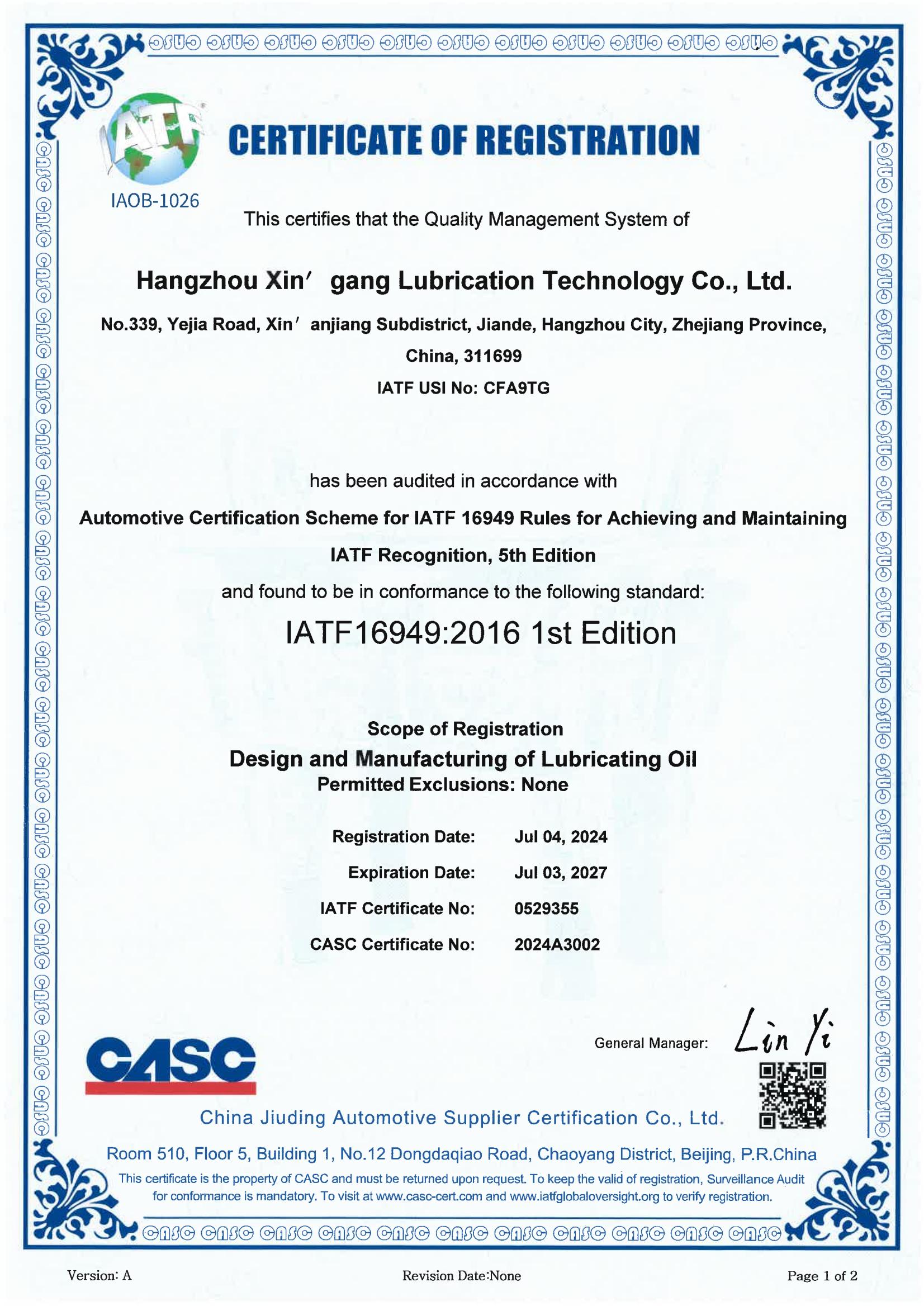
| Automotive quality management | IATF 16949:2016 | 2024A3002 | China Jiuding Automotive Supplier Certification Co., Ltd. (CASC) | Issued 2024-07-04, expires 2027-07-03 | Polyurea and calcium sulfonate complex products fall within the certified scope |
Supply terms follow the same logic. XINGANG offers OEM production with package and sticker customization, applies 100% testing, quotes a minimum order quantity of 2,000 kg and a lead time of 10–20 days against a monthly capacity of 3,000 tons. After-sales support covers remote technical formula guidance, on-site usage technical consultation, quality-problem compensation and replacement, and product application solution matching.
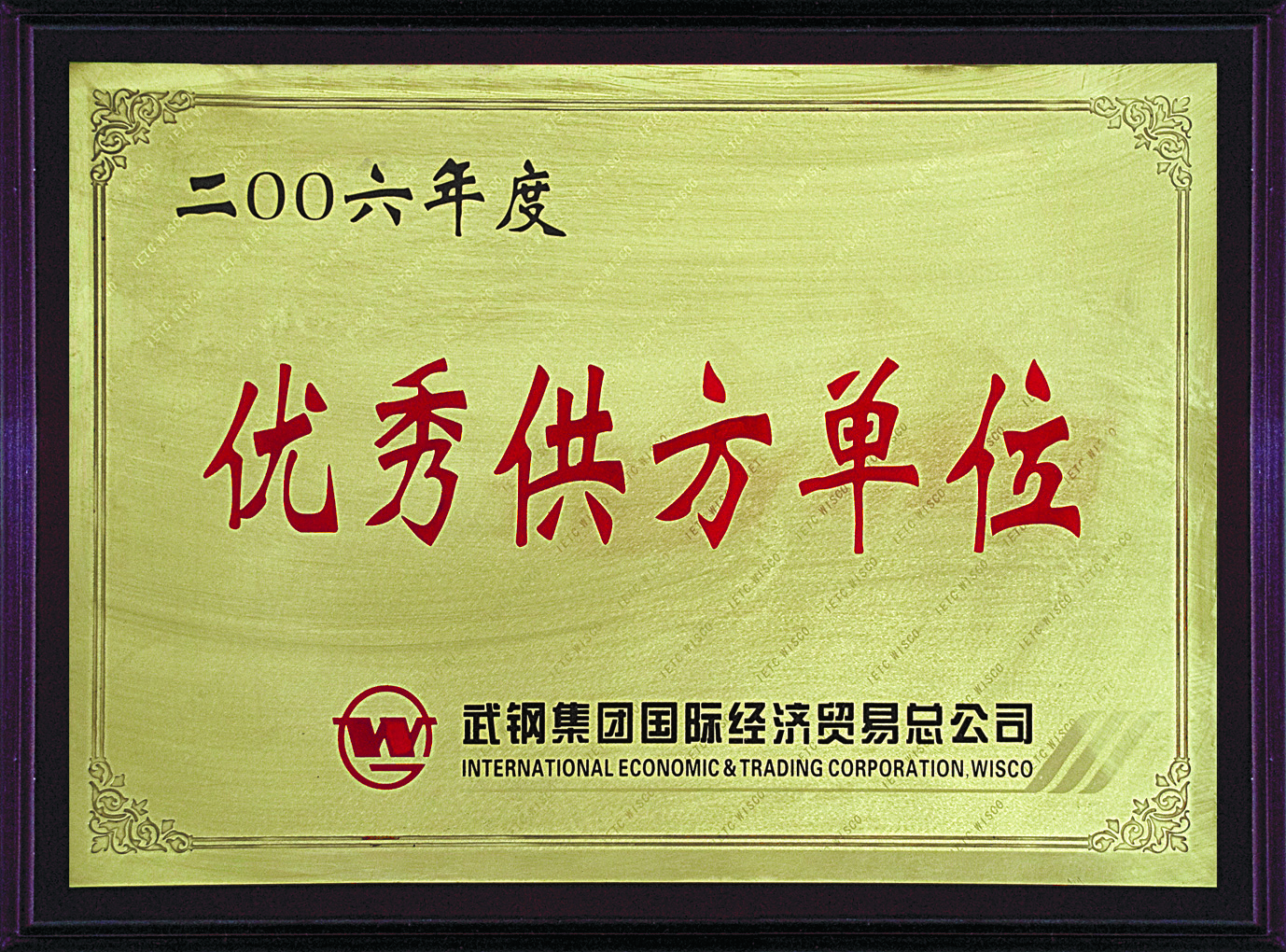
The case record supplied for this article covers large steel plants and metallurgical enterprises, a 40-unit scope and a 30-year duration. For buyers, the practical check is scope alignment: a certificate that covers the grease family but not the exact model you are ordering is a question, not a pass.
FAQ
Which certificates cover XINGANG’s polyurea and calcium sulfonate complex greases?
The polyurea models XG/U1, XG/U2, XG/U5, XG/U6, XG/U10, XG/U17 and XG/U18, and the calcium sulfonate complex models XG/C4 and XG/C5, fall within XINGANG’s ISO 9001:2015 quality management system certificate 07625Q2422R65 and its IATF 16949:2016 certificate 2024A3002. Both families are also listed under the ISO 45001:2018 certificate 7625S1361R6S, which expires on 12 November 2028. The ISO 14001:2015 certificate 07625E1532R6S covers environmental management for grease design, production and sales. Ask for the certificate copies together with the model list they cover, and confirm the model you are ordering appears in that list.
At what temperature should a plant switch from polyurea grease to calcium sulfonate complex grease?
The switch point in this range is a measured ring temperature above 200°C. XINGANG polyurea grease (XG/U series) is rated from -20°C to 200°C with a 260°C dropping point; calcium sulfonate complex grease (XG/C4, XG/C5) is rated from -20°C to 250°C with a 330°C dropping point and a PD value of 500 kgf. Between 200°C and 250°C only the calcium sulfonate complex grade remains inside its published rating. Above 250°C neither rating applies and the point has to be re-specified. Water splash, rust problems or heavy impact load can justify the calcium sulfonate complex grade even below 200°C.
Who manufactures high-temperature grease for industrial equipment, and can one plant cover both families?
XINGANG manufactures both families. The company was established in 1993, runs a 16,000 m² plant with 60 employees and 15 R&D engineers, and reports an annual output of 45,000 tons, with OEM production for packaging and stickers, 100% testing, and exports to India, Pakistan, Vietnam, Malaysia, South Africa, Turkey and Peru. Buying both families from one source simplifies batch consistency and changeover documentation, but it does not remove the model-level checks: confirm the technical data sheet, the certificate scope and the batch certificate of analysis for each grade independently.
What MOQ and lead time should be planned for a high-temperature grease order?
For XINGANG the quoted minimum order quantity is 2,000 kg and the lead time is 10–20 days against a monthly capacity of 3,000 tons. Package and sticker customization are available under OEM production. Plan the first order around the volume needed for a single-point trial plus the purge quantity required by the changeover, and confirm both figures in writing at quotation stage, since packaging format and destination affect the final schedule.
How should a switch from polyurea to calcium sulfonate complex grease be validated?
Build the evidence file first: the technical data sheet for the exact model, the batch certificate of analysis, the applicable ASTM test report with conditions stated (D3336-20b for ball-bearing grease life at elevated temperature, D3527-21 for automotive wheel bearings), certificate copies with scope, and a written purge procedure. Then convert one representative point and inspect it at the first re-lubrication interval before extending the change to a line. XINGANG supports this stage with remote technical formula guidance, on-site usage technical consultation and application solution matching; buyers can request specification sheets, certificate copies and a trial quantity quotation as the next step.
The decision, restated
Polyurea and calcium sulfonate complex grease are not competing answers to the same question; they answer two different duty profiles. Below 200°C, in a dry or well-sealed housing, with modest shear demand, polyurea’s thermal and oxidation behaviour is the appropriate basis for selection. From 200°C to 250°C, or wherever water, rust or heavy impact load dominates the maintenance record, calcium sulfonate complex grease is the family whose published data addresses the problem.
The decision holds only when the inputs are real: a measured ring temperature, a stated water exposure, a known load and speed, and a supplier who can produce model-level data, batch certificates and a purge procedure. Those four items convert a chemistry comparison into a defensible maintenance decision.
XINGANG’s company profile, product range, certificates and supply terms are compiled in the company brochure (PDF) for buyers assembling an evidence file.
Have Questions or Need More Details?
Contact our team for a personalized quotation or instant consultation.
Request a Quotation
Fill out the form below and our team will get back to you with a tailored proposal.
WhatsApp Direct Chat
Prefer to chat in real-time? Message us on WhatsApp for instant assistance & quick answers.
- Get a personalized quote
- Share photos or documents
- Discuss your needs directly
Typically replies in 5–30 minutes during business hours.