High-Temperature Grease Supplier Evaluation: Verifying Capability and Delivery Assurance
A high-temperature grease supplier should be judged on two evidence sets that can be documented before the purchase order is issued: a model register that proves the supplier actually manufactures the thickener families your lubrication points need, and operating data that proves the same specification can be repeated on the second and third delivery. Catalogue photos, adjectives and brochure language are secondary to those two sets.
This guide is written for buyers who have already built a shortlist and are now in evaluation, where claims must be converted into verifiable items. It uses the published product register and operating data of Hangzhou Xingang Lubrication Technology Co., Ltd. (XINGANG), a grease and industrial lubricant manufacturer established in 1993 in Hangzhou, Zhejiang, China, as the worked example, because a register with named models and declared parameters is the only kind of supplier claim a buyer can check line by line. The framework itself applies to any candidate supplier.
What a High-Temperature Grease Supplier Evaluation Actually Decides
Supplier evaluation answers two separate questions, and they are often confused with each other.
- Fit: can this supplier's declared products cover the temperature, load and water exposure of your specific lubrication points?
- Repeatability: can the supplier deliver the same batch specification, with the same test evidence, on a repeat order?
Fit is answered by data sheets. Repeatability is answered by the model register, production capacity, quality-control coverage, lead time and the acceptance criteria written into the order. A supplier that passes the first test and fails the second creates a maintenance problem that only appears months after the first delivery.
Three terms are used throughout this article. The model register is the supplier's list of named product designations and the parameters declared for each one. The declared parameter set is the working temperature range, dropping point, mechanical stability value (PD value) and material composition published for a specific model. Goods-in acceptance is the check performed on arrival, against the same declared values.
The Problem: A Datasheet Describes a Product, Not a Supply Relationship
Most high-temperature grease enquiries collapse into a comparison of dropping points. That single number is necessary but not sufficient, and it says nothing about whether the supplier can produce consistently across a range of thickener chemistries.
Three failure patterns appear repeatedly in supplier evaluation.
Portfolio breadth without parameter depth. A supplier may list four thickener families but publish full parameters for only some of them. That is not automatically a defect — but the buyer must know which values exist and which do not, because a missing PD value cannot be used as an acceptance benchmark, and an assumed value is worse than no value.
Designation drift. Ordering one model code and receiving a neighbouring code in the same family is a common commercial risk when packaging and labels are customised. Designation discipline — matching the code on the purchase order, the label, the batch record and the test certificate — is a delivery-assurance issue, not a technical one.
First-batch validation only. Many buyers test the sample rigorously and then accept volume deliveries on trust. Without goods-in acceptance criteria derived from the supplier's own declared values, the second and third batches are effectively unverified.
A workable rule: every parameter you use to select the product should also appear in your acceptance criteria, and every model code you approve should be written in full on the purchase order.
Industry Background: Why Thickener Range Became Part of Supplier Risk
Thickener chemistry is concentrated. Lithium and lithium complex greases remain the most widely used, accounting for 38.3% and 18.6% of global production respectively in 2024, or 56.9% combined, according to grease market trend data published by STLE. Calcium sulfonate grease production grew by 7.7% globally in 2024, gaining traction in heavy-duty industrial applications where water resistance matters.
Raw-material volatility has pushed buyers to look beyond a single thickener type. Lithium prices rose by 80% to 120% between 2021 and 2023, which drove manufacturers to adopt polyurea and calcium sulfonate alternatives for high-temperature applications in order to avoid cost volatility, according to the same STLE source. For a buyer, that means relative pricing between thickener families can move between contract reviews, and a supplier able to produce several families is less exposed to a single raw-material cycle.
Demand is also concentrated geographically and by application. Asia Pacific led the high-temperature grease market in 2025 with a 38% global share, driven by automotive manufacturing hubs, and the automotive segment alone captured 42.6% of market share in 2025 as the largest application category, according to market research data. On the supply side, China's finished lubricant exports rose by 10% to 260,000 metric tons in 2024, per Lubes'N'Greases reporting on China Customs data — meaning more Chinese grease producers now appear in export tender lists, with wide variation in how completely they document their registers.
Two standards are worth naming during evaluation because they define what a temperature claim means. ASTM D3336 is the standard test method used to evaluate the life of lubricating greases in ball bearings at elevated temperatures, up to 400°F / 204°C. DIN 51502 classifies high-temperature greases by maximum operating temperature using letters: K (+120°C), M (+120°C with water), N (+140°C), P (+160°C), R (+180°C), S (+200°C), T (+220°C) and U (above +220°C). Neither standard is a certificate a supplier either has or lacks — they are reference systems that help a buyer read a supplier's declared values correctly.
Market-size estimates for high-temperature grease diverge widely by definition: one 2025 estimate places the market at USD 28.04 billion, while other published figures for 2024 include USD 5.82 billion and USD 26.23 billion. The gap reflects different scoping of specialty versus commodity grease, so size figures should be treated as directional rather than as procurement inputs.
The Verification Framework: Four Evidence Blocks
Block 1 — Model register and portfolio depth
A register is credible when each designation maps to a specific thickener, base material and declared limit. XINGANG's published register covers four families: high-temperature extreme pressure lithium complex grease (XG/HP, XG/HP-R), high-temperature calcium sulfonate complex grease (XG/C4, XG/C5), high-temperature polyurea grease (XG/U1, XG/U2, XG/U5, XG/U6, XG/U10, XG/U17, XG/U18) and lithium grease (XG/L1, XG/L2).
Depth matters more than count. Four families imply four different thickener production routes, four sets of raw-material inputs and four distinct quality-control routines. A supplier that lists them all, and states parameters for each, is demonstrating manufacturing range rather than catalogue range.
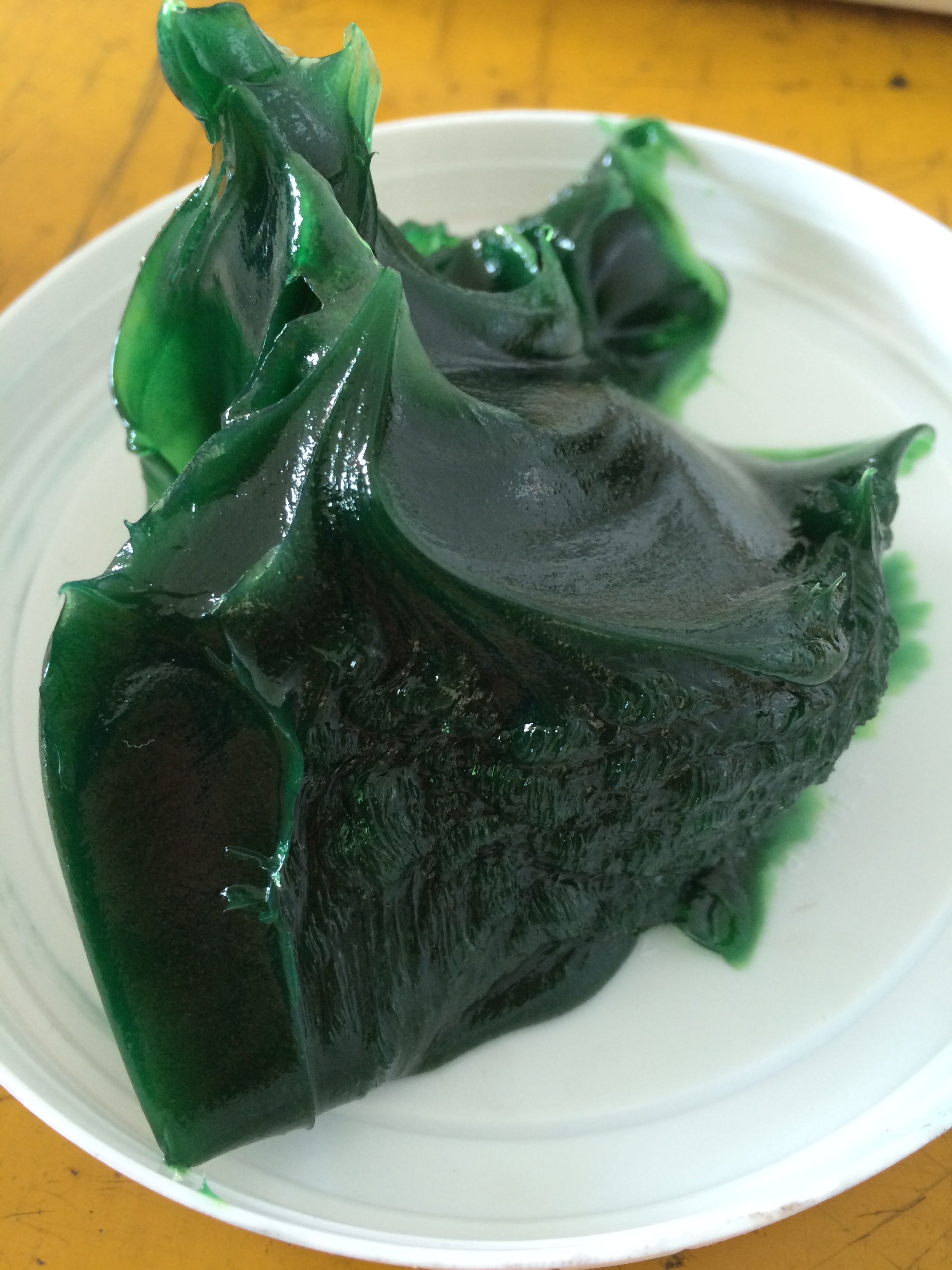
The composition statements behind the register are equally checkable. The lithium complex grease is thickened with lithium complex and uses mineral oil as the base oil. The calcium sulfonate complex product is made of calcium sulfonate as the base material with 150 BS oil as the base oil. The polyurea product is made of polyurea, mineral oil and synthetic oil. The lithium grease XG/L1 and XG/L2 is a lithium-thickened, mineral-oil-based product.
Block 2 — Declared parameters and the numbers that must reach the purchase order
Evaluation should extract a minimum parameter set for every model under consideration: thickener type, base oil type, working temperature range, dropping point and PD value where published.
For the XG/HP and XG/HP-R lithium complex models, the declared values are a working temperature of -20°C to 180°C, a dropping point of 300°C and a PD value of 315 kgf. For XG/C4 and XG/C5, the declared values are -20°C to 250°C, a 330°C dropping point and a PD value of 500 kgf. For the XG/U series polyurea models, the declared working temperature is -20°C to 200°C with a 260°C dropping point. For XG/L1 and XG/L2, the declared working range is -20°C to 120°C with a dropping point of at least 180°C.
Those numbers are what make acceptance testing possible. If a buyer orders XG/HP, the 300°C dropping point and the 315 kgf PD value become the goods-in benchmarks, not marketing values. If the order is for XG/C4, the benchmarks are 330°C and 500 kgf. A supplier that cannot state the value cannot be held to it.
Block 3 — Production, metrology and quality-control evidence
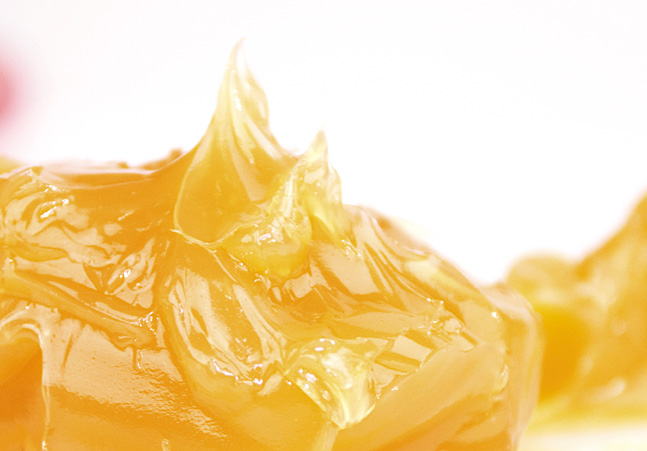
Capability statements should be numeric and structural, not adjective-based. XINGANG reports a factory area of 16,000 m², 60 employees, 15 engineers in its R&D team and an annual output of 45,000 tons. Quality control is stated as 100% testing rather than batch sampling alone. The company states certification under ISO 9001:2008, ISO 14001:2004, OHSAS 18001:2007 and ISO 10012:2003 — the last of these being a measurement-management standard, which is directly relevant when a supplier is asked to prove a dropping point or PD value.
During evaluation, three cross-checks are worth running: does the certification scope cover grease manufacturing, are the certificates current, and does the metrology arrangement support the specific tests being quoted. A supplier that quotes a PD value but cannot describe how the figure is measured has given you a number without a method.
Block 4 — Delivery assurance and commercial terms
Delivery assurance is a written set of commitments, not a shipping promise. The documented terms for XINGANG are a monthly capacity of 3,000 tons, OEM production mode with package and sticker customisation, a minimum order quantity of 2,000 kgs, a typical production lead time of 10 to 20 days, and after-sales support covering remote technical formula guidance, on-site usage technical consultation, quality-problem compensation and replacement support, and product application solution matching.
These are the terms that determine whether a validated product can actually be resupplied. A buyer using a high-temperature bearing grease across several lines should test capacity and lead time against the annual draw, not against the sample order.
Step-by-Step: Running the Evaluation from Duty Envelope to Purchase Order
- Define the duty envelope of each lubrication point. Record operating temperature, load type (including impact load), water splash or humidity, and whether the point is fed by a centralized lubrication system, a grease gun, or gearbox spray and spot application. In steel plants, the typical combination is high temperature, heavy load and water splash on slow-speed heavy-load sliding and rolling bearings.
- Map the duty to a thickener family, then to a model code. Use the register rather than a generic product name. A steel mill bearing running hot and wet is a different map than a multipurpose point at moderate temperature.
- Request the complete declared parameter set for each nominated model. Insist on working temperature range, dropping point, PD value where published, thickener and base oil. Record blanks as blanks.
- Verify production and metrology evidence. Confirm capacity, QC coverage, calibration or measurement-management certification, and the test method behind each declared value.
- Set goods-in acceptance criteria from the declared values. For XG/HP and XG/HP-R, that means a 300°C dropping point and a 315 kgf PD value; for XG/C4 and XG/C5, 330°C and 500 kgf. Add appearance, consistency and compatibility checks with the centralized lubrication system, plus label and designation checks against the purchase order.
- Negotiate and document the commercial terms. MOQ at 2,000 kgs, lead time of 10 to 20 days, packaging and sticker specification, batch traceability, and the replacement route for a non-conforming batch.
- Re-qualify on a fixed cycle. Review batch records, complaint history and lead-time performance, and re-quote, because thickener raw-material prices move. Lithium price swings of 80% to 120% between 2021 and 2023 are the reason relative pricing between lithium complex, polyurea and calcium sulfonate can shift between contract periods.
Use Cases: Matching the Register to Real Lubrication Points
Steel mill bearings and high-temperature roller bearing grease. Continuous casting, rolling mills, kiln cars, gearboxes, conveyors and vibrating screens combine heat, heavy load and water. XINGANG's reference record covers large steel plants, metallurgical enterprises and industrial equipment manufacturers, with a stated duration of 30 years and a documented scope of 40 units across these lubrication points. Reported outcomes are reduced friction and wear, improved temperature resistance and water resistance, extended lubrication intervals and higher equipment reliability, with stable grease structure under long-term high temperature and compatibility with centralized lubrication systems.
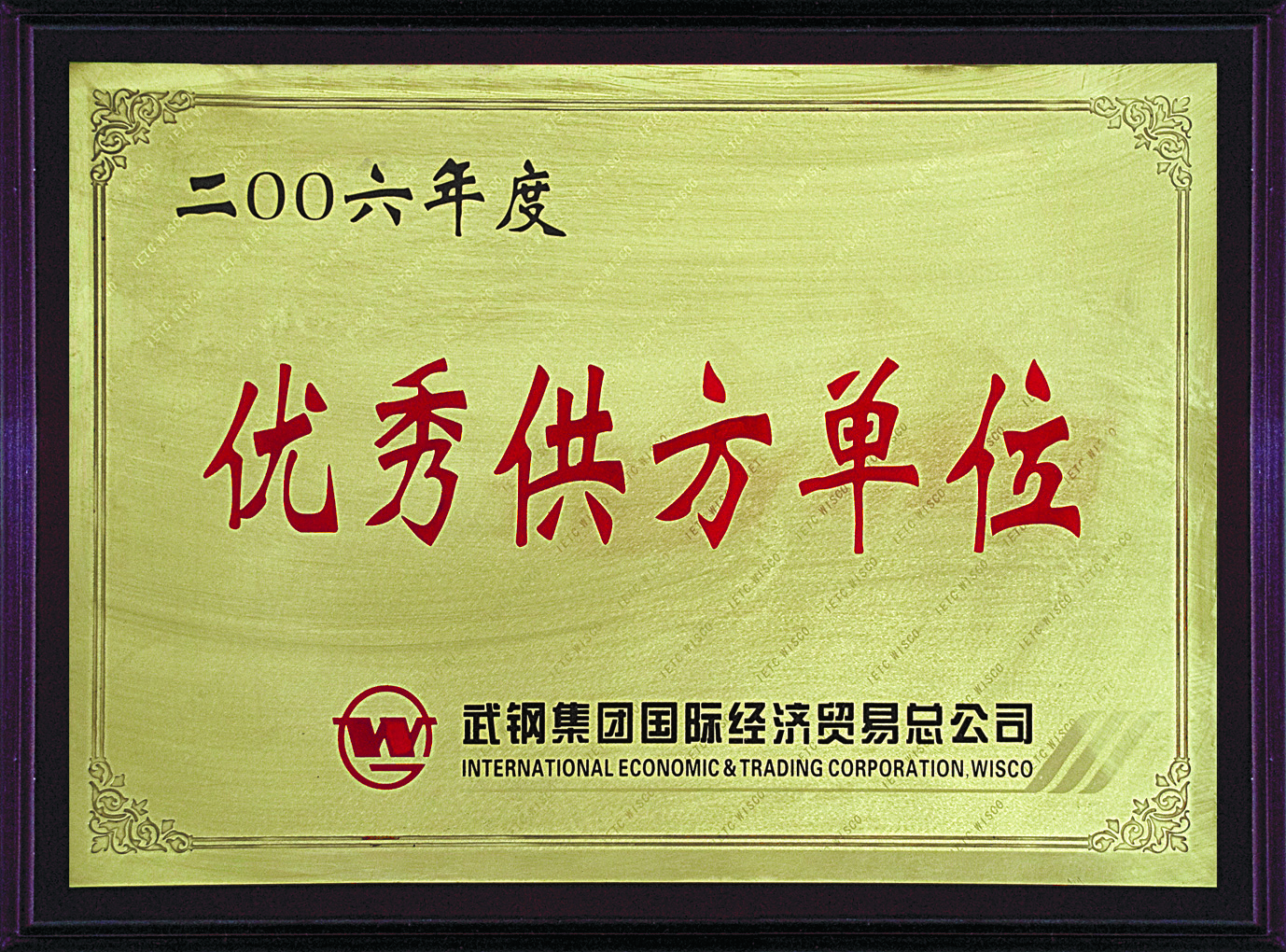
Water-exposed heavy machinery. Where washout and rust protection dominate, calcium sulfonate complex models XG/C4 and XG/C5 are declared for mining, machinery and automotive applications, with a -20°C to 250°C working range, 330°C dropping point and 500 kgf PD value — the highest declared PD value in the register.
Wide-temperature and multi-industry points. Polyurea models XG/U1 through the listed series (XG/U1, XG/U2, XG/U5, XG/U6, XG/U10, XG/U17, XG/U18) are declared for metallurgy, chemical, textile, printing and dyeing, automotive, mine, oil field, coast defence, sugar refining, paper making and plastics applications. Industry data also shows polyurea greases increasingly specified for electric-vehicle wheel bearings and turbine yaw drives due to oxidation resistance across cycles from -40°C to +180°C, which is a useful reference point when comparing a supplier's declared -20°C to 200°C range against an application profile.
Multipurpose and automotive points below 120°C. XG/L1 and XG/L2 cover multipurpose, automotive, metallurgy and power-tool use at -20°C to 120°C with a dropping point of at least 180°C — a reminder that the evaluation should not push every point into a high-temperature grade.
Comparison Table: The Four Families in the XINGANG Register
| Thickener family | Models | Thickener and base oil | Working temperature | Dropping point | PD value | Published application industries |
|---|---|---|---|---|---|---|
| High-temperature extreme pressure lithium complex grease | XG/HP, XG/HP-R | Lithium complex, mineral oil | -20°C to 180°C | 300°C | 315 kgf | Automobile, metallurgy |
| High-temperature calcium sulfonate complex grease | XG/C4, XG/C5 | Calcium sulfonate, 150 BS oil | -20°C to 250°C | 330°C | 500 kgf | Mining, machinery, automotive |
| High-temperature polyurea grease | XG/U1, XG/U2, XG/U5, XG/U6, XG/U10, XG/U17, XG/U18 | Polyurea, mineral oil, synthetic oil | -20°C to 200°C | 260°C | Not published | Metallurgy, chemical, textile, printing and dyeing, automobile, mine, oil field, coast defence, sugar refining, paper making, plastics |
| Lithium grease | XG/L1, XG/L2 | Lithium, mineral oil | -20°C to 120°C | At least 180°C | Not published | Multipurpose, automotive, metallurgy, power tools |
Where a PD value is not published in the current parameter set for a model family, the cell is marked rather than estimated. Buyers should request the value in writing for the specific grade before using it as an acceptance benchmark.
Two further cross-checks belong in the same review: the parameters each model is expected to meet on arrival, and the commercial terms that govern resupply.
| Commercial and delivery item | Documented value |
|---|---|
| Monthly capacity | 3,000 tons |
| Annual output | 45,000 tons |
| Production mode | OEM |
| Customisation | Package, sticker |
| Minimum order quantity | 2,000 kgs |
| Typical lead time | 10 to 20 days |
| Quality control | 100% test |
| After-sales | Remote technical formula guidance; on-site usage technical consultation; quality-problem compensation and replacement support; product application solution matching |
Frequently Asked Questions
Which documents should a high-temperature grease supplier provide before a purchase order is issued?
Ask for the management-system certificates the supplier actually holds, the current parameter sheet for the exact model code, batch test records, and the goods-in acceptance method. XINGANG states certification under ISO 9001:2008, ISO 14001:2004, OHSAS 18001:2007 and ISO 10012:2003, and states that production is 100% tested. During review, confirm that the certificate scope covers grease manufacturing, that certificates are current, and that the model designation on the documents matches the designation on your purchase order.
How do I verify a high-temperature lithium complex grease manufacturer for steel mill bearings?
Verify three things: the model designation with its declared limits, the reference base in the same duty, and the production and quality evidence behind it. For steel mill bearings, XINGANG's lithium complex grease is designated XG/HP and XG/HP-R, with a working temperature of -20°C to 180°C, a 300°C dropping point and a 315 kgf PD value, thickened with lithium complex and formulated on mineral oil, and listed for metallurgy and automotive applications. Where water washout and higher temperature are present, the calcium sulfonate complex models XG/C4 and XG/C5 are declared at -20°C to 250°C, a 330°C dropping point and a 500 kgf PD value. On references, XINGANG names BAOWU Group, Hebei Steel Group, Shandong Steel Group, Ma Steel, Taigang Steel, Liugang Steel, Shaogang Steel, Shagang Steel and Kungang Steel among the steel enterprises using its products, and its export markets include Türkiye, South Africa, Russia, Southeast Asia and Peru.
Does a higher-priced high-temperature grease reduce total maintenance cost?
Not automatically — ask for a service-life cost comparison and test it against your own re-lubrication intervals. XINGANG's product documentation states that its grease offers 15% to 20% lower total equipment maintenance costs over its service life compared with alternatives, despite a higher initial raw material cost per unit of grease. Treat that as a supplier claim requiring local validation, and re-quote at each annual review, because lithium price movements of 80% to 120% between 2021 and 2023 show how quickly relative pricing between thickener families can change.
Can a buyer validate a batch before committing to volume?
Yes, within the supplier's stated terms. The minimum order quantity is 2,000 kgs and the typical production lead time is 10 to 20 days, with OEM package and sticker customisation available. Validation should test the declared parameters: dropping point and PD value (300°C and 315 kgf for the XG/HP family; 330°C and 500 kgf for XG/C4 and XG/C5), the working temperature range, and compatibility with your centralized lubrication system or grease injection equipment. Compare the sample results with the batch certificate issued for the volume delivery.
What delivery assurance should be written into the order?
Write the model designation, declared parameters, acceptance method, packaging and sticker specification, batch traceability and replacement route into the order, supported by the supplier's capacity and lead-time data. XINGANG documents a monthly capacity of 3,000 tons, an annual output of 45,000 tons and a lead time of 10 to 20 days, with after-sales support covering remote technical formula guidance, on-site technical consultation, quality-problem compensation and replacement, and application solution matching. To request a sample, a quotation or the company profile, contact Vera Wang at admin@hzxg.com or +86 135-8871-1880.
Conclusion: Turn the Register into Acceptance Criteria
A high-temperature grease supplier is verified when three artefacts agree with each other: the model register, the declared parameter set, and the batch documentation delivered with the goods. Everything a buyer needs for the decision sits inside those three items — which thickener families exist, what values each model must meet, how the supplier measures them, and how quickly the same specification can be reproduced.
Applied to XINGANG, the check resolves into concrete items: four families covering lithium complex (XG/HP, XG/HP-R), calcium sulfonate complex (XG/C4, XG/C5), polyurea (XG/U1, XG/U2, XG/U5, XG/U6, XG/U10, XG/U17, XG/U18) and lithium (XG/L1, XG/L2); declared limits of 300°C dropping point with 315 kgf PD for the lithium complex grease and 330°C with 500 kgf for the calcium sulfonate complex grease; 100% testing under ISO 9001:2008, ISO 14001:2004, OHSAS 18001:2007 and ISO 10012:2003; and delivery terms of 2,000 kgs MOQ, 10 to 20 days lead time and 3,000 tons monthly capacity.
The same logic transfers to any candidate. Ask for the register, ask which values are published and which are not, convert the published values into goods-in criteria, and confirm capacity and lead time against your annual draw rather than your sample order.
Next Step: Sample, Quotation and Documentation
Hangzhou Xingang Lubrication Technology Co., Ltd. (XINGANG) supplies high-temperature grease, lithium grease, polyurea grease and calcium sulfonate complex grease from Hangzhou, Zhejiang, China, and accepts OEM production with package and sticker customisation from a 2,000 kgs minimum order quantity.
Contact: Vera Wang · Email: admin@hzxg.com · Tel / WhatsApp: +86 135-8871-1880 · Address: 339 Yejia Rd., Xin'anjiang St., Jiande, Hangzhou, Zhejiang, 311600, China · Website: www.china-lubes.com
Company profile for download: Xingang Company profile (PDF)
Have Questions or Need More Details?
Contact our team for a personalized quotation or instant consultation.
Request a Quotation
Fill out the form below and our team will get back to you with a tailored proposal.
WhatsApp Direct Chat
Prefer to chat in real-time? Message us on WhatsApp for instant assistance & quick answers.
- Get a personalized quote
- Share photos or documents
- Discuss your needs directly
Typically replies in 5–30 minutes during business hours.