High-Temperature Grease Fit: Metallurgy, Automotive, Mining
A steel plant, an automotive workshop and a mining site can all ask for "high-temperature grease" and still need three different products. The phrase describes a temperature band. It does not describe water exposure, load type, relubrication method, or which model code will actually arrive on the pallet. Project approvals usually fail on that gap rather than on the grease itself.
Short answer. Match the site first, then the model designation, then the purchasing and acceptance terms. XINGANG's four high-temperature families divide the work like this: lithium complex grease XG/HP and XG/HP-R for -20 to 180 °C extreme-pressure duty in metallurgy and automotive applications; calcium sulfonate complex greaseXG/C4 and XG/C5 for -20 to 250 °C duty requiring water resistance and rust protection, used in mining, machinery and automotive work; polyurea grease XG/U1, U2, U5, U6, U10, U17 and U18 for -20 to 200 °C high-temperature industrial lubrication; and multipurpose lithium grease XG/L1 and XG/L2 for -20 to 120 °C automotive, metallurgy and power-tool points.
Hangzhou Xingang Lubrication Technology Co., Ltd. (XINGANG) is a grease and industrial lubricant manufacturer established in 1993 in Hangzhou, Zhejiang, operating a 16,000 m² plant with a 15-engineer R&D team and certification to ISO 9001:2008, ISO 14001:2004, OHSAS 18001:2007 and ISO 10012:2003. Because all four families sit in one product range, a single enquiry handled through Hangzhou Xingang Lubrication Technology Co., Ltd. can return four different technical answers to the same request.
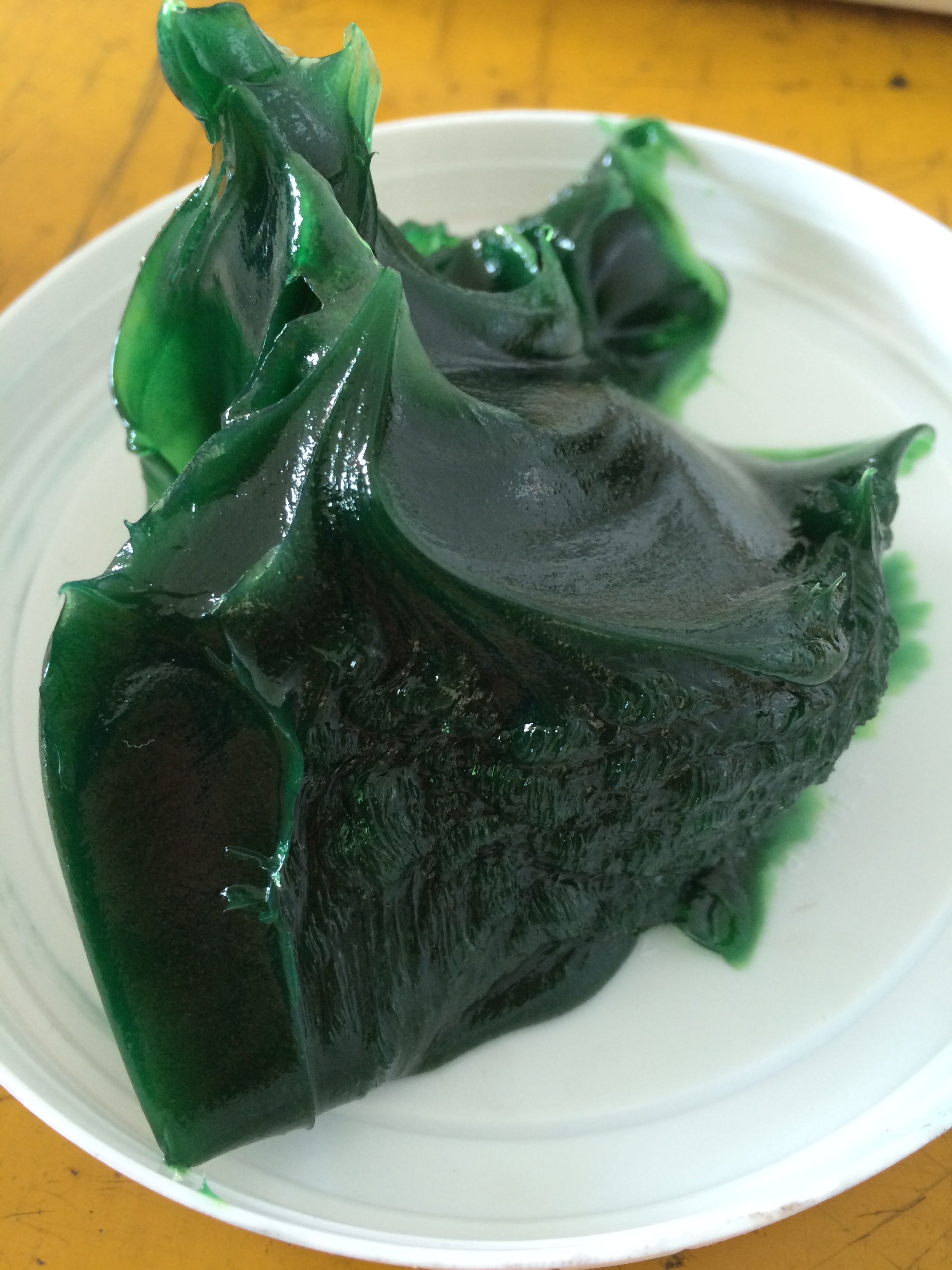
Calcium sulfonate complex grease from the XG/C4 and XG/C5 range, the family used where water washout and rust protection decide the application.
What "fit" actually means in a project file
Fit means the grease's documented limit sits above the measured duty at the lubrication point, with margin, and the greasing method can deliver the product to that point. Five readings do most of the work before any product name is written into the specification.
1. Hottest ring or surface temperature. SKF's bearing lubrication guidance states that standard greases have a practical upper limit of 100 °C on the ring with the highest temperature, and that special greases or automatic greasing systems should be considered above that point. That is where a high-temperature family begins to earn its place — not at the nominal label, and not at the furnace temperature several metres away.
2. Water and contamination exposure. Splash, descaling spray, wash-down and humid stands change the choice more than 20 °C of extra heat does. The XINGANG metallurgy scenario data lists humid and water-splash environments as standard conditions, alongside high temperature, heavy load and impact load.
3. Load type. A steady load and a shock load are different problems. The same scenario data specifies a stable extreme-pressure anti-impact property for slow-speed heavy-load sliding and rolling bearings, which is a load requirement expressed in mechanical terms rather than in temperature terms.
4. Relubrication method and access. Centralized lubrication systems, grease guns, gearbox spray or spot application, and grease injection or replacement equipment are all listed as compatible methods in the metallurgy data — but each one imposes its own handling behaviour on the grease.
5. What is already in the housing. If the point carries an existing grease, the changeover decision comes before the product decision, and it belongs in the approval file rather than in a maintenance WhatsApp message.
The four families and the limits that decide fit
The table below reproduces the supplied product data without adjustment. Working temperature is the service range; dropping point is a laboratory indicator of thickener behaviour at high temperature, not a working limit; PD value is a load-carrying figure reported in kgf in the supplied data.
| Model designation | Thickener / base oil | Working temperature | Dropping point | PD value | Documented application note |
|---|---|---|---|---|---|
| XG/HP, XG/HP-R | Lithium complex / mineral oil | -20 to 180 °C | 300 °C | 315 kgf | High-temperature extreme-pressure grease for automobile and metallurgy |
| XG/C4, XG/C5 | Calcium sulfonate / 150 BS oil | -20 to 250 °C | 330 °C | 500 kgf | Water resistance and rust protection; mining, machinery, automotive |
| XG/U1, U2, U5, U6, U10, U17, U18 | Polyurea / mineral oil and synthetic oil | -20 to 200 °C | 260 °C | Not stated in the supplied data | High-temperature industrial lubrication; metallurgy, chemical, textile, automotive, mine and other industries |
| XG/L1, XG/L2 | Lithium / mineral oil | -20 to 120 °C | ≥180 °C | Not stated in the supplied data | Multipurpose; automotive, metallurgy, power tools |
Thickener chemistry explains why the ceilings differ. Chevron's technical page on grease thickeners describes lithium complex greases as providing oxidation and thermal stability at high operating temperatures, together with water resistance and load-carrying properties, while being less effective for cold-temperature pumpability. The same source describes calcium sulfonate complex greases as providing oxidation and thermal stability at higher operating temperatures, plus water resistance and load carrying, and describes polyurea greases as non-metallic with antioxidant capability, good thermal stability and high-temperature performance but weaker shear stability. FUCHS summarises the split in the same qualitative terms: lithium complex for higher load and temperature resistance, calcium sulfonate for water resistance and extreme-pressure behaviour, polyurea for high-temperature stability and long life.
Those are manufacturer descriptions, not matched test results, and they should not be converted into a ranking. Their practical value is narrower and more useful: they tell you which question to ask at each site. A 250 °C ceiling is not automatically better than a 180 °C ceiling if the point is dry, fast and lightly loaded; and a thicker thermal margin does not compensate for a handling behaviour the centralized system cannot pump.
Metallurgy: heat, impact load and water splash
Steel plant lubrication is the clearest case where one family cannot cover the whole line. XINGANG's metallurgy scenario data describes the working conditions directly: high temperature, heavy load, impact load, humid or water-splash environments, centralized lubrication systems and manual greasing, applied to slow-speed heavy-load sliding and rolling bearings, gearbox spray or spot application, and manual greasing. The functions required are anti-wear, extreme pressure, high-temperature resistance, water resistance and anti-rust, with the aim of extending oil change intervals and reducing downtime.
Three of the four families have a legitimate place in that plant, which is exactly why the approval file has to name the point rather than the plant.
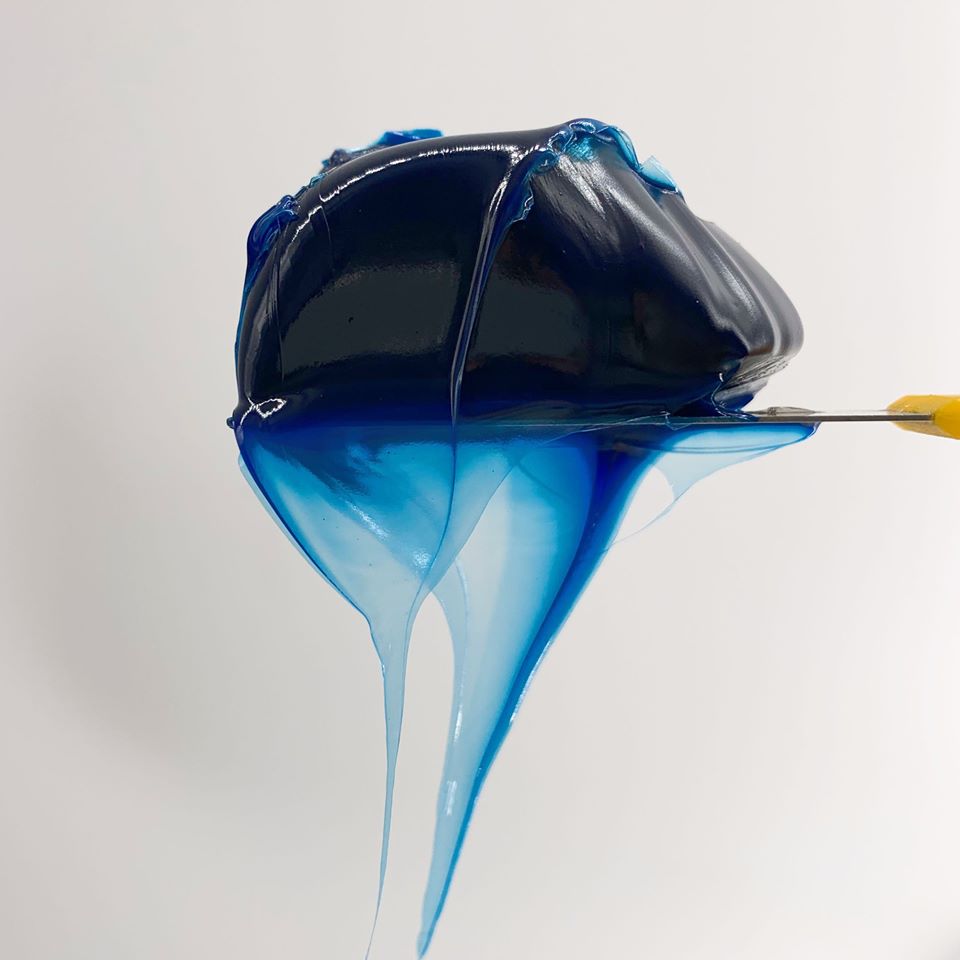
XG/HP and XG/HP-R lithium complex grease: -20 to 180 °C, 300 °C dropping point, 315 kgf PD value.
Where XG/HP and XG/HP-R fit. Rolling mill bearings, continuous casting segments, kiln car bearings and gearbox points that stay within 180 °C and carry impact load are the natural application for the lithium complex family. Its documented profile — 300 °C dropping point, 315 kgf PD value, extreme-pressure anti-wear behaviour and oxidation resistance — matches the metallurgy requirement for a stable extreme-pressure anti-impact property. If the measured ring temperature sits close to 180 °C rather than comfortably below it, the margin is too thin for approval and the site survey should be repeated at the hottest point.
Where XG/C4 and XG/C5 fit. Descaling zones, wet stands, conveyor runs under wash-down and any bearing housing that collects water belong to the calcium sulfonate complex family: -20 to 250 °C, 330 °C dropping point, 500 kgf PD value, with water resistance and rust protection listed in the product data. The same family is listed for mining and machinery, so a plant can standardise a wet-duty product across several departments without changing thickener type in the middle of a maintenance route.
Where the XG/U series and XG/L series fit.Polyurea grease covers -20 to 200 °C with a 260 °C dropping point for high-temperature industrial points where water is not the dominant problem, including metallurgy among its listed industries. Multipurpose lithium XG/L1 and XG/L2 is a -20 to 120 °C product and should not be pushed into a 150 °C bearing simply because it is the grease already on the shelf; its documented ceiling is what the approval file must respect.
Automotive: wheel bearings and assembly points
Automotive duty splits along the same line but with a different test vocabulary. ASTM D3527 provides a laboratory procedure for evaluating the high-temperature life performance of automotive wheel-bearing grease under prescribed conditions, which makes it the relevant reference when a wheel-bearing claim is being checked. It is a different scope from ASTM D3336, which addresses grease life in ball bearings under light load, high speed and elevated temperature. A supplier who presents a bearing-life figure should state which method and which conditions produced it, because the two scopes are not interchangeable.
For the product decision, XG/HP and XG/HP-R cover wheel bearings, steering and suspension points that see heat and extreme pressure within 180 °C, and the family's listed industries include automobile. XG/L1 and XG/L2 remain the multipurpose choice for chassis, workshop and power-tool greasing up to 120 °C. Calcium sulfonate complex XG/C4 and XG/C5 also list automotive among their industries, which makes them relevant to wet or heavily loaded automotive assemblies rather than to general workshop use.
Mining: water, dust and heavy load
Mining sites rarely fail a grease on temperature alone. Crushers, conveyor drives, screens and pump bearings combine shock load with water and fine contamination, and the maintenance team needs a product that keeps its structure when water reaches the housing. XG/C4 and XG/C5 are the family matched to that combination: water resistance and rust protection are documented selling points, the PD value is 500 kgf, and the working range reaches 250 °C, with a long service cycle listed as a benefit that reduces grease replenishment frequency.
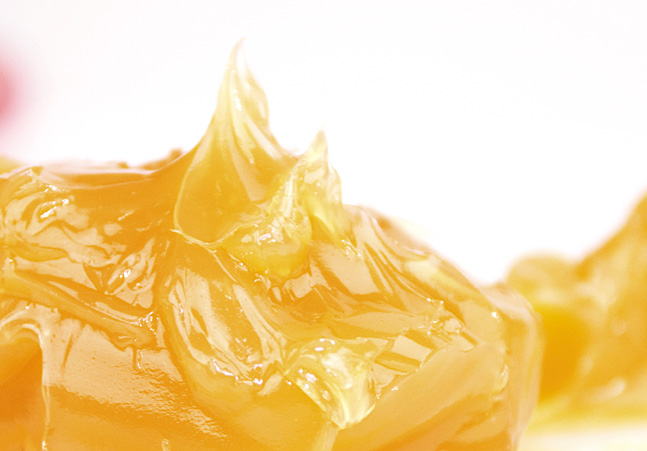
Polyurea grease in the XG/U series: -20 to 200 °C, 260 °C dropping point, mineral and synthetic oil base.
Where the mine's problem is continuous heat rather than water — motor bearings, fan and blower bearings, high-temperature drive ends — polyurea becomes the candidate. Commercial manufacturer portfolios associate polyurea products with high-speed bearings such as electric motors, fans and blowers, and XINGANG lists mine among the industries for the XG/U series. That is application positioning from product literature, not a performance comparison, and it should still be confirmed against the measured temperature and speed at the actual bearing.
Site-to-family matrix for the approval file
Use this matrix to open the discussion, then replace the condition wording with the readings from your own survey. The condition column describes the dominant duty, not an assumed plant temperature.
| Site and duty | Dominant condition | First family to check | Model codes | Reason recorded in the file |
|---|---|---|---|---|
| Metallurgy — rolling mill, casting, kiln car bearings | Sustained heat with impact load, centralized or manual greasing | Lithium complex EP | XG/HP, XG/HP-R | 180 °C ceiling, 315 kgf PD, extreme-pressure anti-wear documented |
| Metallurgy — descaling and water-splash zones | Water washout with heavy load and rust risk | Calcium sulfonate complex | XG/C4, XG/C5 | 250 °C ceiling, water resistance, rust protection, 500 kgf PD |
| Metallurgy or plant — high-temperature industrial points | Continuous heat without dominant water exposure | Polyurea | XG/U1, U2, U5, U6, U10, U17, U18 | 200 °C ceiling, 260 °C dropping point, oxidation resistance documented |
| Automotive — wheel bearings and assembly | Cyclic heat with extreme pressure at low speed | Lithium complex EP; lithium for multipurpose points | XG/HP, XG/HP-R; XG/L1, XG/L2 | 180 °C versus 120 °C ceilings; ASTM D3527 scopes wheel-bearing life testing |
| Mining — crushers, conveyors, wet circuits | Water, dust, shock load | Calcium sulfonate complex | XG/C4, XG/C5 | Water resistance and rust protection with heavy-load EP |
| Mining — motors, fans, blowers | Continuous heat in high-speed bearings | Polyurea | XG/U series | 200 °C ceiling; polyurea positioned for electric motor, fan and blower bearings in manufacturer portfolios |
Verifying model designations before approval
A family approval is not a product approval. The designation printed on the drum, the technical data sheet and the purchase order has to be the same string, and the accompanying data has to belong to that string. Five checks close the gap.
Check 1 — code against family. XG/HP and XG/HP-R are the lithium complex entry; XG/C4 and XG/C5 the calcium sulfonate complex entry; XG/U1 to XG/U18 the polyurea entry; XG/L1 and XG/L2 the lithium entry. If a quotation mixes a code from one family with the data of another, the document returns to the supplier unsupported.
Check 2 — variant suffixes. XG/HP and XG/HP-R appear under one product entry with the same documented temperature range, dropping point and PD value, and the supplied data does not describe a performance difference between them. Confirm which designation your line requires and use it consistently in the specification, the label and the certificate; do not assume a suffix difference that the documents have not stated.
Check 3 — seven polyurea designations. The XG/U series contains several codes, so a specification that says only "polyurea grease" leaves the choice open at the point of delivery. Name the code that was validated.
Check 4 — missing figures. A PD value is stated in the supplied data for XG/HP, XG/HP-R, XG/C4 and XG/C5. The supplied data for the XG/U and XG/L entries lists working temperature and dropping point without a PD figure. That absence is a documentation gap, not evidence of low load capability: if your load case depends on a PD value, request the figure for the specific code before approval rather than inferring one.
Check 5 — label and batch. XINGANG offers OEM production with package and sticker customisation, so the delivered drum may carry a buyer's brand instead of the XINGANG name. The approval file should require the model code, batch number and thickener type to appear on the label regardless of which brand is printed there.
Purchasing terms to fix in the project file
Commercial terms decide whether the approved grease can actually be scheduled into a shutdown. The documented terms for this range are short enough to write into the file directly: minimum order quantity 2,000 kg, typical production lead time 10 to 20 days, monthly capacity 3,000 tons, 100% testing as the stated quality-control method, and OEM production with package and sticker customisation. Export markets listed for the company include India, Pakistan, Vietnam, Malaysia, South Africa, Turkey and Peru.
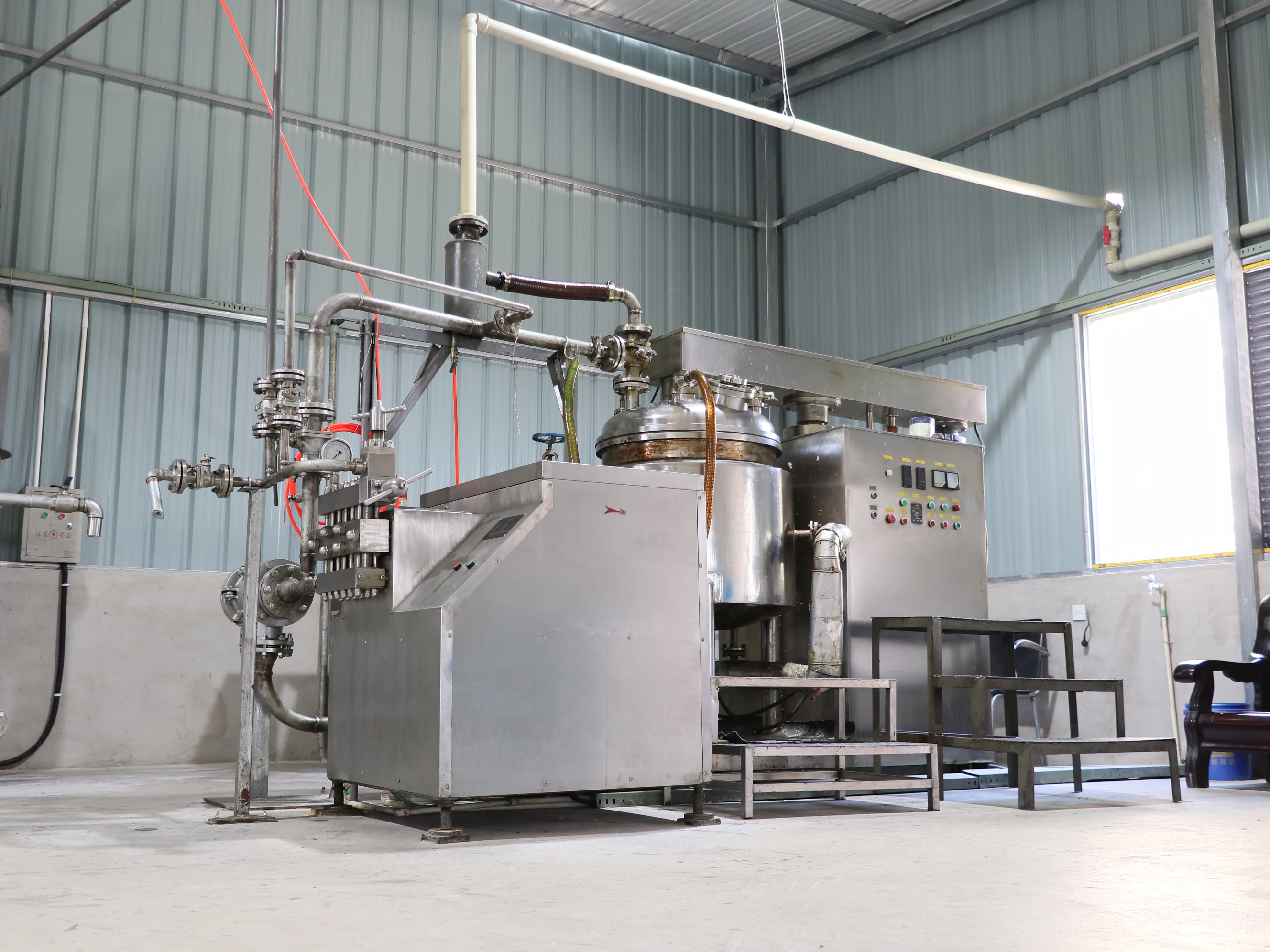
Grease production line: monthly capacity of 3,000 tons and 100% test are the two capability figures that belong in a purchasing file.
After-sales scope also belongs here, because it defines what happens when a batch behaves unexpectedly. The stated support covers remote technical formula guidance, on-site usage technical consultation, quality problem compensation and replacement support, and product application solution matching. A project manager can convert those four items into response expectations before signature instead of discovering them during a failure.
One commercial claim needs careful handling in a business case. XINGANG's product documentation states 15% to 20% lower total equipment maintenance cost over service life compared with alternatives, despite a higher initial raw material cost per unit of grease. Treat that as a supplier statement to be validated against your own relubrication interval, labour rate and downtime cost, not as a guaranteed saving written into the approval justification.
Acceptance criteria for the first batch
Acceptance criteria turn the approved designation into something a warehouse and a maintenance planner can check on delivery day. Six criteria cover the common failures.
Document match. Technical data sheet, batch certificate and drum label must carry the same model code and show thickener type, base oil, working temperature and dropping point consistent with the approved family — for example lithium complex with mineral oil at -20 to 180 °C and 300 °C dropping point for XG/HP, or calcium sulfonate with 150 BS oil at -20 to 250 °C and 330 °C dropping point for XG/C4 and XG/C5.
Test method named. Any bearing-life figure must name its method and conditions. ASTM D3336 and ASTM D3527 describe different scopes, and results from one cannot be presented as evidence for the other.
Compatibility and purge. SKF publishes a compatibility matrix covering lithium, calcium, lithium complex, calcium complex, polyurea and calcium sulfonate complex greases, and advises confirming compatibility by testing for critical applications. When a project changes family — for instance from lithium to calcium sulfonate complex on a wet stand — the purge procedure belongs in the acceptance criteria, not in the maintenance instruction issued afterwards.
Monitored first fill. Fill one representative lubrication point, record the starting temperature, the greasing volume and the interval, and re-inspect at the first planned check. This is a verification step for the buyer's own conditions; it does not replace the supplier's test data, and it does not prove plant-wide performance.
Packaging and marking. Package size, closure type, label language and batch traceability should match what the storeroom can handle, particularly where the private-label route is used.
Signed responsibility. The maintenance planner owns the point data, purchasing owns the commercial terms, and the technical reviewer owns the designation check. Approval without those three signatures is a preference, not a decision.
A documented metallurgy reference
XINGANG's case record for large steel plants, metallurgical enterprises and industrial equipment manufacturers in China covers 40 units over a 30-year supply relationship, with lubrication of bearings in continuous casting, rolling mills, kiln cars, gearboxes, conveyors and vibrating screens — the high-temperature, heavy-load points described earlier. The recorded results are reduced friction and wear, improved temperature resistance and water resistance, extended lubrication intervals and improved equipment reliability, with the highlight being extreme-pressure anti-impact behaviour, a stable grease structure under long-term high temperature, and compatibility with centralized lubrication systems.
Read that as a documented customer-side summary for those plants. It supports the claim that the families are used in metallurgy duty; it does not establish that the same result will appear at a different site, with a different contamination profile or a different relubrication interval.
Where project approvals usually break
Three failures recur. The first is approving the word "high-temperature" without a measured ring temperature, which leaves the 120 °C and 250 °C families looking interchangeable. The second is comparing numbers produced under different test scopes, most often mixing industrial bearing-life data with automotive wheel-bearing data. The third is approving a family but not a designation, so the first delivery arrives with a code nobody verified and the maintenance team inherits the decision.
A short approval sequence avoids all three: survey the point, shortlist by documented ceiling and condition, verify the designation and its data, fix the commercial terms, agree the acceptance criteria, then sign.
Conclusion: approve the fit, not the label
Metallurgy, automotive and mining duty do not need three vocabularies for high-temperature grease; they need one approval file per lubrication point. XG/HP and XG/HP-R carry extreme-pressure work to 180 °C, XG/C4 and XG/C5 carry water resistance and rust protection to 250 °C, the XG/U series covers high-temperature industrial points to 200 °C, and XG/L1 and XG/L2 handle multipurpose work to 120 °C. The designation, the batch documents and the acceptance criteria then hold the decision together after the meeting ends.
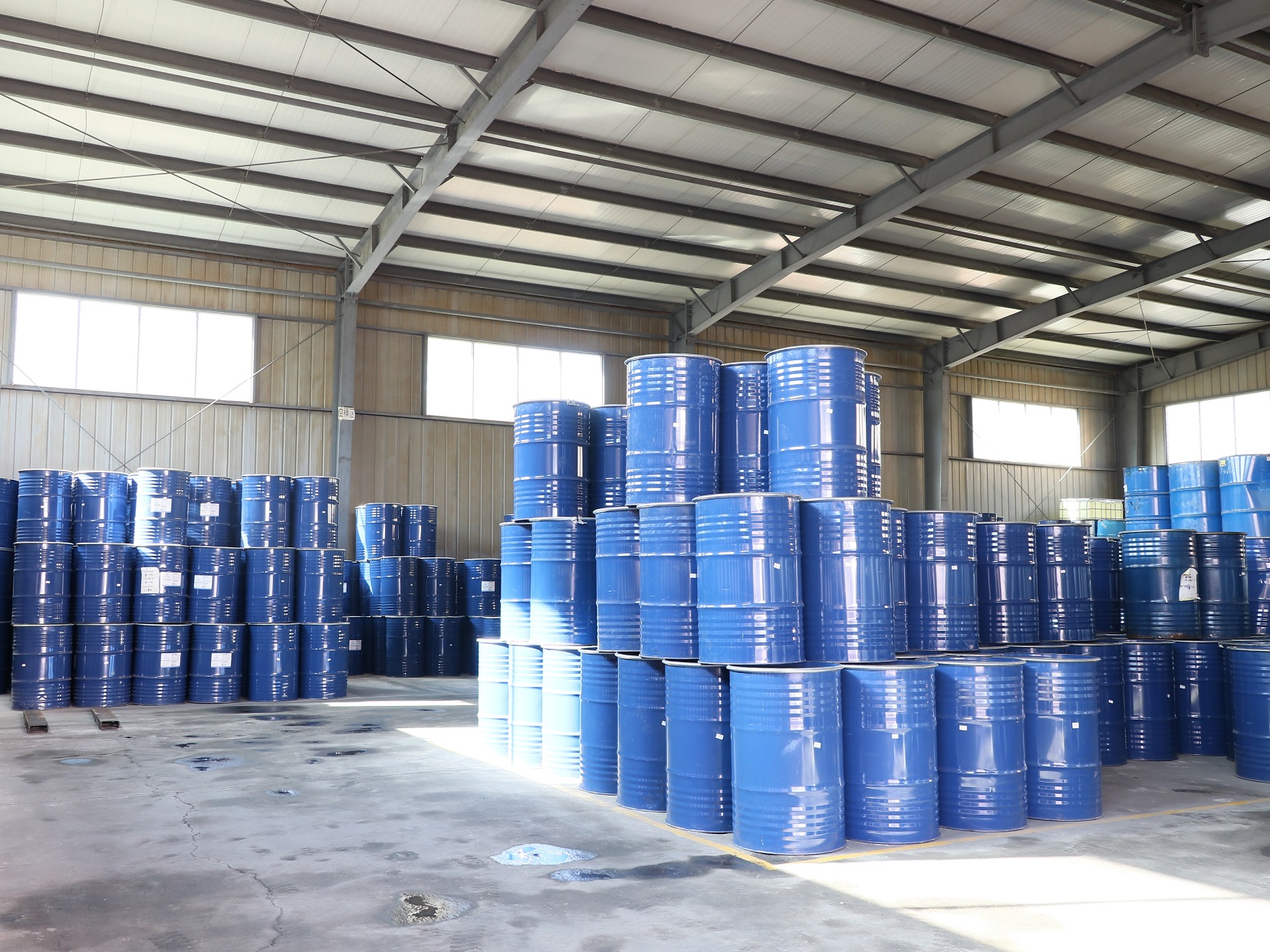
Stock and packing for project deliveries: sample, quotation and catalogue requests are handled through the company contact channel.
For a project file, the next practical step is a sample of the specific designation under evaluation, together with its technical data sheet, so the first fill can be monitored before the purchase order is released. The full company and product range is described in the XINGANG company profile (PDF).
Frequently asked questions
Which high-temperature lithium complex grease suits steel mill bearings?
XG/HP and XG/HP-R are the lithium complex, mineral-oil-based extreme-pressure greases in this range, rated -20 to 180 °C with a 300 °C dropping point and a 315 kgf PD value, and listed for automobile and metallurgy applications. They suit steel mill bearings whose measured ring temperature stays within 180 °C and whose duty includes impact load and extreme pressure. Where the same bearing is exposed to water washout or runs above that ceiling, the calcium sulfonate complex family XG/C4 and XG/C5 extends the documented range to 250 °C with water resistance and rust protection. The commercial route is a 2,000 kg minimum order, a 10 to 20 day production lead time and 100% testing.
How do I confirm the model designation on a quotation?
Match the code to the family first, then check that the attached data belongs to that code. XG/HP and XG/HP-R sit under one lithium complex entry, XG/C4 and XG/C5 under one calcium sulfonate complex entry, the XG/U codes under the polyurea entry and XG/L1 and XG/L2 under the lithium entry. Confirm thickener, base oil, working temperature and dropping point from the technical data sheet, and if a PD value matters to your load case, request it for the exact code — the supplied data for the XG/U and XG/L entries does not list one.
What purchasing terms should be settled before project approval?
Settle minimum order quantity (2,000 kg), lead time (10 to 20 days), monthly capacity (3,000 tons) against your shutdown window, whether the delivery uses OEM package and sticker customisation, the 100% test requirement, and the after-sales scope covering remote technical formula guidance, on-site usage technical consultation, compensation and replacement support, and application solution matching. These terms determine whether the approved product can be scheduled, not merely whether it exists.
Which grease fits a mine with water exposure and heavy load?
XG/C4 and XG/C5, the calcium sulfonate complex greases rated -20 to 250 °C with a 330 °C dropping point and a 500 kgf PD value, list water resistance, rust protection and heavy-load extreme-pressure performance, with mining among their industries and a long service cycle that reduces replenishment frequency. Use the polyurea XG/U series for high-temperature points where water is not the dominant condition, and keep multipurpose lithium XG/L1 and XG/L2 within their -20 to 120 °C range.
What acceptance criteria should the first batch meet?
Require a document match across data sheet, batch certificate and drum label; a named test method and conditions for any bearing-life claim, since ASTM D3336 and ASTM D3527 cover different scopes; a compatibility and purge procedure where the family changes, checked against published compatibility guidance and confirmed by testing for critical applications; one monitored first fill with recorded temperature, volume and interval; and packaging and marking that fit the storeroom. A sample of the validated code, requested before the purchase order through the company contact channel, lets that first fill happen on a small scale.
Have Questions or Need More Details?
Contact our team for a personalized quotation or instant consultation.
Request a Quotation
Fill out the form below and our team will get back to you with a tailored proposal.
WhatsApp Direct Chat
Prefer to chat in real-time? Message us on WhatsApp for instant assistance & quick answers.
- Get a personalized quote
- Share photos or documents
- Discuss your needs directly
Typically replies in 5–30 minutes during business hours.