High-Temperature Grease Specs: Certified Limits & Selection Guide
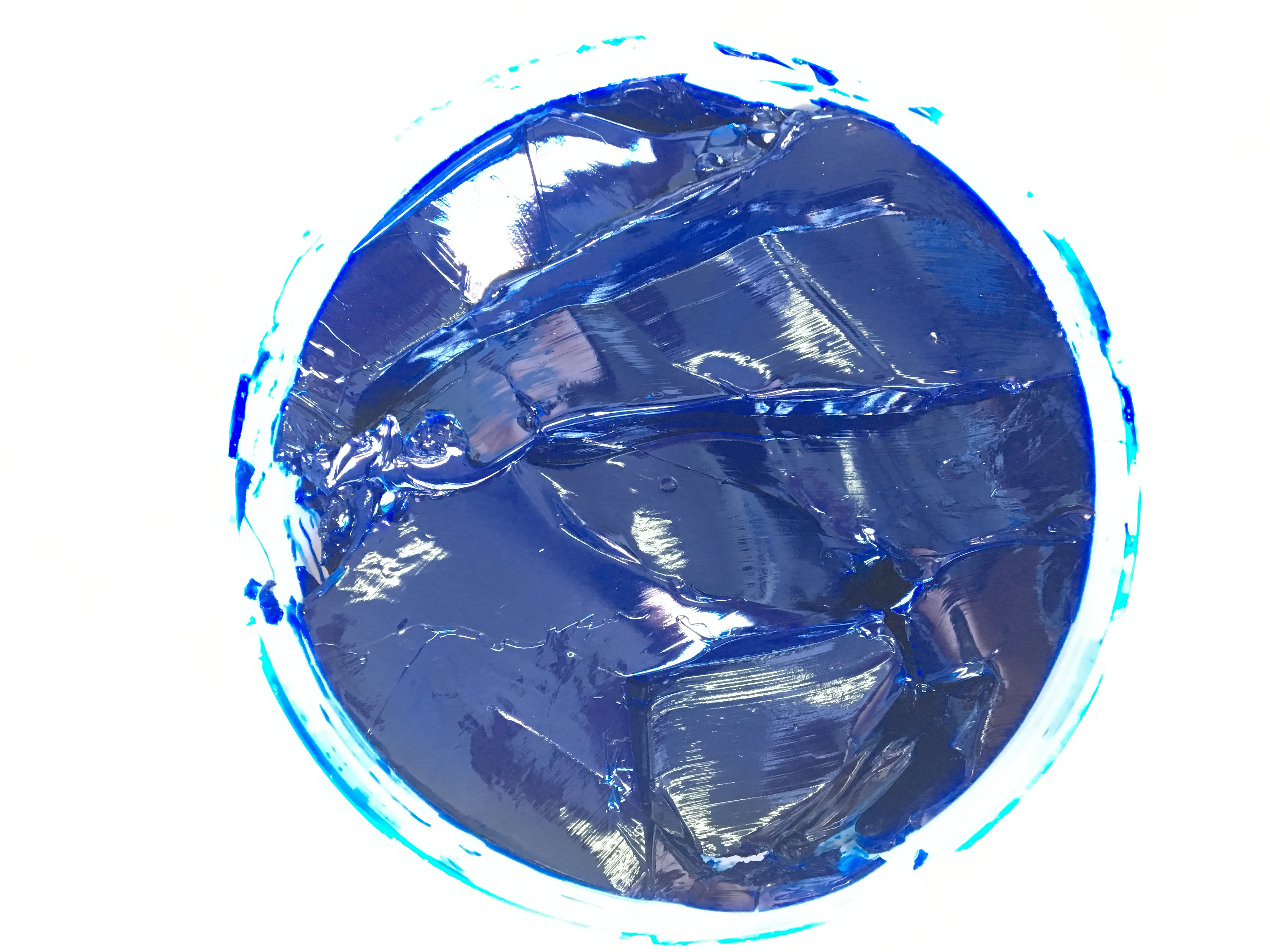
High-temperature grease should be specified by verified technical data: working temperature, dropping point, PD value, and certification scope.
High-temperature grease selection is a constraint-matching exercise, not a brand-preference exercise. Before comparing prices or suppliers, a buyer must verify four inputs: maximum continuous working temperature, dropping point, load-carrying capacity (PD value), and the management-system certifications behind the production line. This guide explains how to read each specification, using the published technical data of Hangzhou Xingang Lubrication Technology Co., Ltd. (XINGANG) as a working example.
XINGANG is a national high-tech enterprise established in 1993, headquartered in Hangzhou, Zhejiang, China, specializing in the research, development, production, and sales of high-performance lubricating greases and industrial lubricants. Its high-temperature grease portfolio covers lithium grease, lithium complex grease, polyurea grease, and calcium sulfonate complex grease, with documented continuous working temperature limits from 120°C to 250°C.
Why High-Temperature Grease Fails Before Its Rated Life
High-temperature grease fails in predictable ways. When bearing temperature exceeds the grease structural limit, the thickener softens and releases oil. The grease bleeds out of the bearing housing, leaving metal surfaces with a thin residual film. Under sustained heat, the remaining oil oxidizes, thickens, and eventually forms carbonized deposits. These deposits restrict internal clearance, increase friction torque, and accelerate wear. In rolling-element bearings running above 150°C, this sequence often ends in premature bearing replacement and unplanned production stops.
The root cause is usually not a single bad batch. It is a mismatch between specification and operating constraint. A multipurpose lithium grease rated for −20°C to 120°C will not hold a bearing running continuously at 160°C, regardless of manufacturing quality. Conversely, specifying an ultra-high-dropping-point calcium sulfonate complex grease for a light-duty low-temperature application can be technically unnecessary and more expensive.
This is why constraint-based selection matters. The buyer defines boundary conditions first: temperature ceiling, load, water exposure, and relubrication interval. The grease supplier maps those conditions to a thickener chemistry, a dropping point, a PD value, and an applicable certification scope.
Industry Background: Where High-Temperature Grease Demand Is Growing
Demand for high-temperature grease is expanding across industrial segments. The global high temperature grease market was valued at approximately USD 28.04 billion in 2025 and is projected to reach USD 48.71 billion by 2035, according to market data compiled by Vertex AI Search / Market Report. Asia Pacific led the market in 2025 with a 38% global share, driven by automotive manufacturing hubs. The automotive segment captured 42.6% of high-temperature grease demand in 2025, the largest application category.
The thickener mix is shifting as well. Lithium and lithium complex greases remain the most widely used, accounting for 38.3% and 18.6% of global production respectively in 2024 — a combined 56.9% — according to STLE market data. Calcium sulfonate complex grease production grew by 7.7% globally in 2024, gaining traction in heavy-duty industrial applications due to superior water resistance. One driver of diversification is raw-material cost: lithium prices surged 80% to 120% between 2021 and 2023, prompting manufacturers to evaluate polyurea and calcium sulfonate alternatives for high-temperature applications.
China export activity reflects the same trend. China finished lubricant exports rose by 10% to 260,000 metric tons in 2024, according to Lubes'N'Greases / China Customs. For international buyers, this means the available supplier base now includes high-capacity Chinese manufacturers whose documentation, certification scope, and export experience must be screened as carefully as their grease formulations.
Standards give buyers a screening language. ASTM D3336 is the standard test method used to evaluate the life of lubricating greases in ball bearings at elevated temperatures up to 400°F (204°C). DIN 51502 classifies high-temperature greases by maximum operating temperature: K (+120°C), M (+120°C with water), N (+140°C), P (+160°C), R (+180°C), S (+200°C), T (+220°C), and U (>+220°C). A buyer who writes the DIN class into the purchase requirement has a testable specification, not a marketing claim.
Detailed Solution: Four High-Temperature Grease Chemistries with Verified Specs
XINGANG manufactures four grease families that cover most high-temperature, high-load industrial lubrication points. The following sections explain what each chemistry is, what limits it carries, and where it applies.
High-Temperature Lithium Complex Grease — XG/HP, XG/HP-R
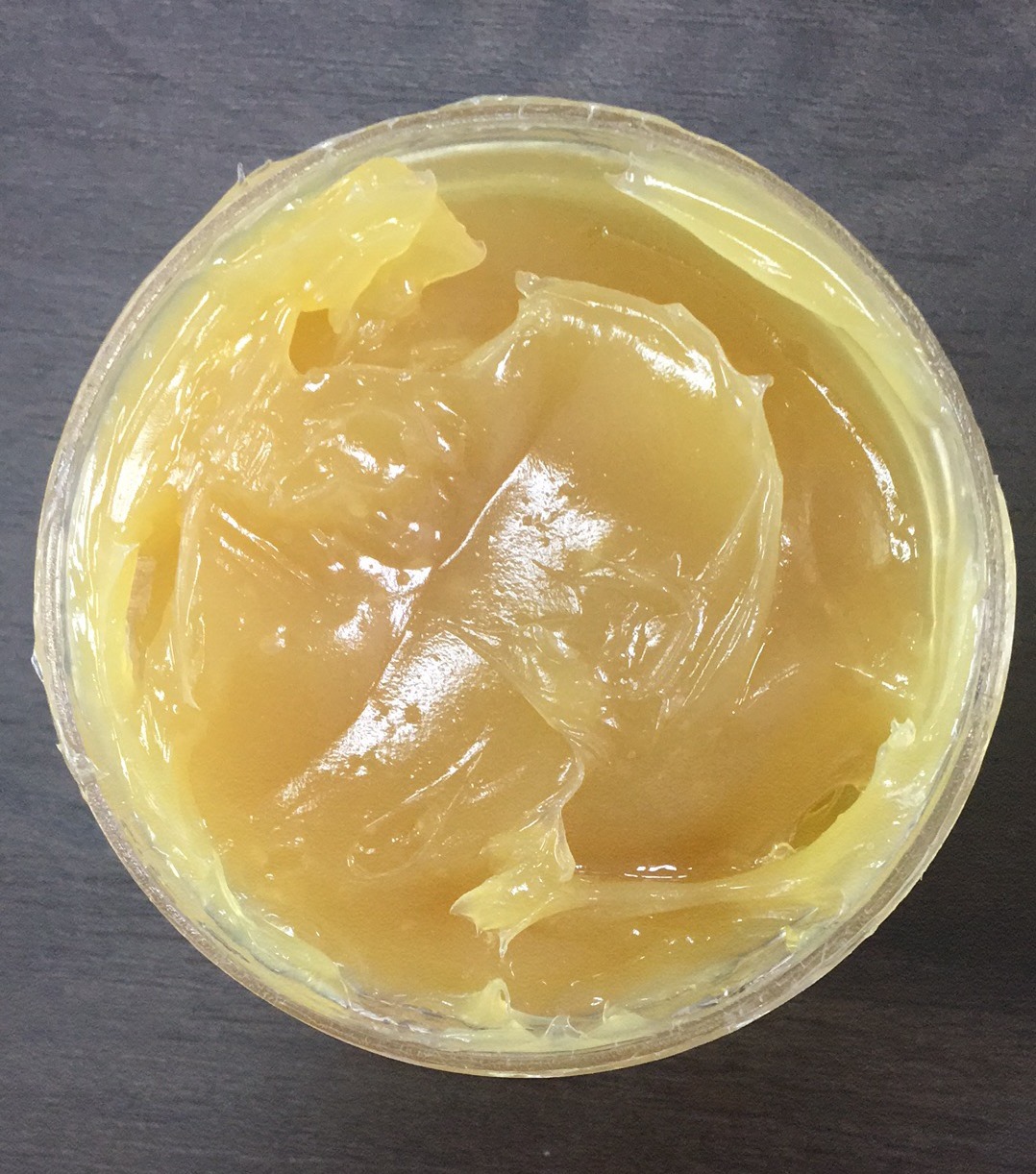
XINGANG polyurea grease series is one of the four high-temperature chemistries in the specification ladder.
The XG/HP and XG/HP-R models are high-temperature extreme-pressure lithium complex greases. They use a lithium complex thickener with mineral oil and are rated for a working temperature range of −20°C to 180°C. The dropping point is 300°C, and the PD value is 315 kgf. The product offers an ultra-high dropping point for stable lubrication under high temperature, excellent extreme-pressure anti-wear properties to protect bearings and gears, wide temperature adaptability, and good oxidation resistance for a long service life. It is applicable in automobile and metallurgy industries.
High-Temperature Polyurea Grease — XG/U1, XG/U2, XG/U5, XG/U6, XG/U10, XG/U17, XG/U18
The polyurea family uses polyurea thickener with mineral or synthetic oil and covers a working temperature range of −20°C to 200°C. The dropping point is 260°C. Its key properties are an ultra-high dropping point and excellent high-temperature oxidation resistance. The application reach is broad: metallurgy, chemical plants, textiles, printing and dyeing, automobile, mining, oil fields, coastal defense, sugar refining, paper making, and plastics. Polyurea grease is a logical step when operating temperature exceeds lithium complex limits and low oil separation matters.
High-Temperature Calcium Sulfonate Complex Grease — XG/C4, XG/C5
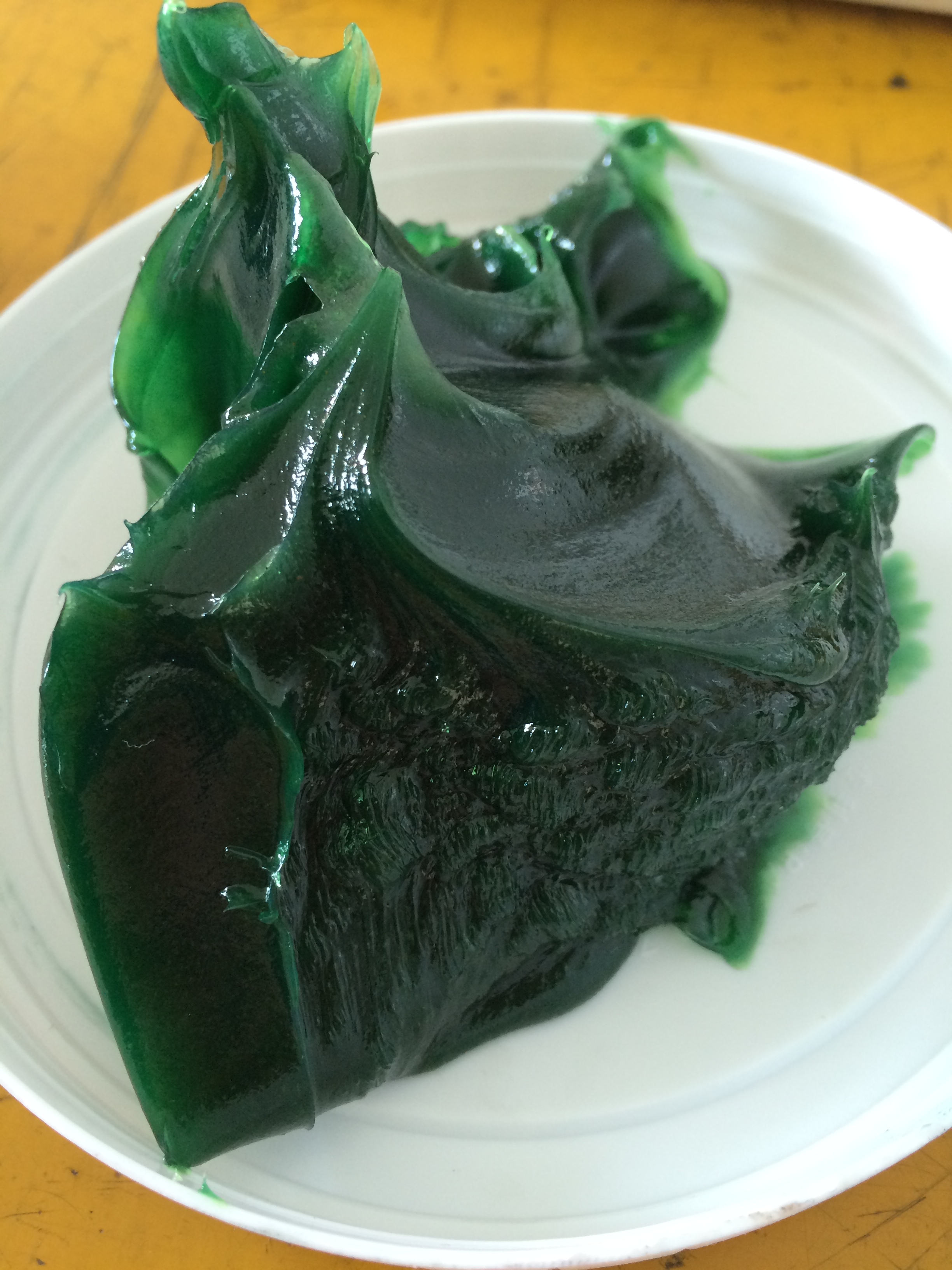
Calcium sulfonate complex grease delivers the highest temperature and load ratings in the XINGANG portfolio.
The XG/C4 and XG/C5 models are high-temperature calcium sulfonate complex greases formulated with calcium sulfonate and 150 BS oil. The working temperature range is −20°C to 250°C, with a dropping point of 330°C and a PD value of 500 kgf. The documented advantages are an ultra-high dropping point with excellent high-temperature oxidation resistance, outstanding water resistance and rust protection, superior extreme-pressure anti-wear performance for heavy-load mechanical parts, and a long service cycle that reduces grease replenishment frequency. It is applicable in mining, machinery, and automotive equipment, particularly where water splash and impact loads are present.
Multipurpose Lithium Grease — XG/L1, XG/L2
XG/L1 and XG/L2 are standard lithium greases with a working temperature range of −20°C to 120°C and a dropping point of at least 180°C. They serve multipurpose, automotive, metallurgy, and power tool applications. In the selection ladder, they define the baseline: when operating temperature exceeds 120°C, the next step is lithium complex at 180°C, then polyurea at 200°C, then calcium sulfonate complex at 250°C.
Certification Scope Behind the Grease
Certification discipline applies to the grease manufacturer as much as to the grease formula. XINGANG operates an ISO 9001:2015 quality management system (certificate 07625Q2422R65), an ISO 14001:2015 environmental management system (certificate 07625E1532R6S), and an ISO 45001:2018 occupational health and safety management system (certificate 7625S1361R6S), each issued by Beijing ZhongRunXing Certification Co., Ltd. The certified scope covers lithium grease (XG/L1, XG/L2), polyurea grease (XG/U1–XG/U18), calcium sulfonate complex grease (XG/C4, XG/C5), and lithium complex grease (XG/HP, XG/HP-R).
For automotive supply chains, IATF 16949:2016 certification is a mandatory screening item. XINGANG holds IATF 16949:2016 certification under certificate number 2024A3002, issued by China Jiuding Automotive Supplier Certification Co., Ltd., for the design and manufacturing of lubricating oil (no permitted exclusions), valid from 2024-07-04 to 2027-07-03. The four high-temperature grease families fall within that scope.
Step-by-Step: Build a High-Temperature Grease Specification
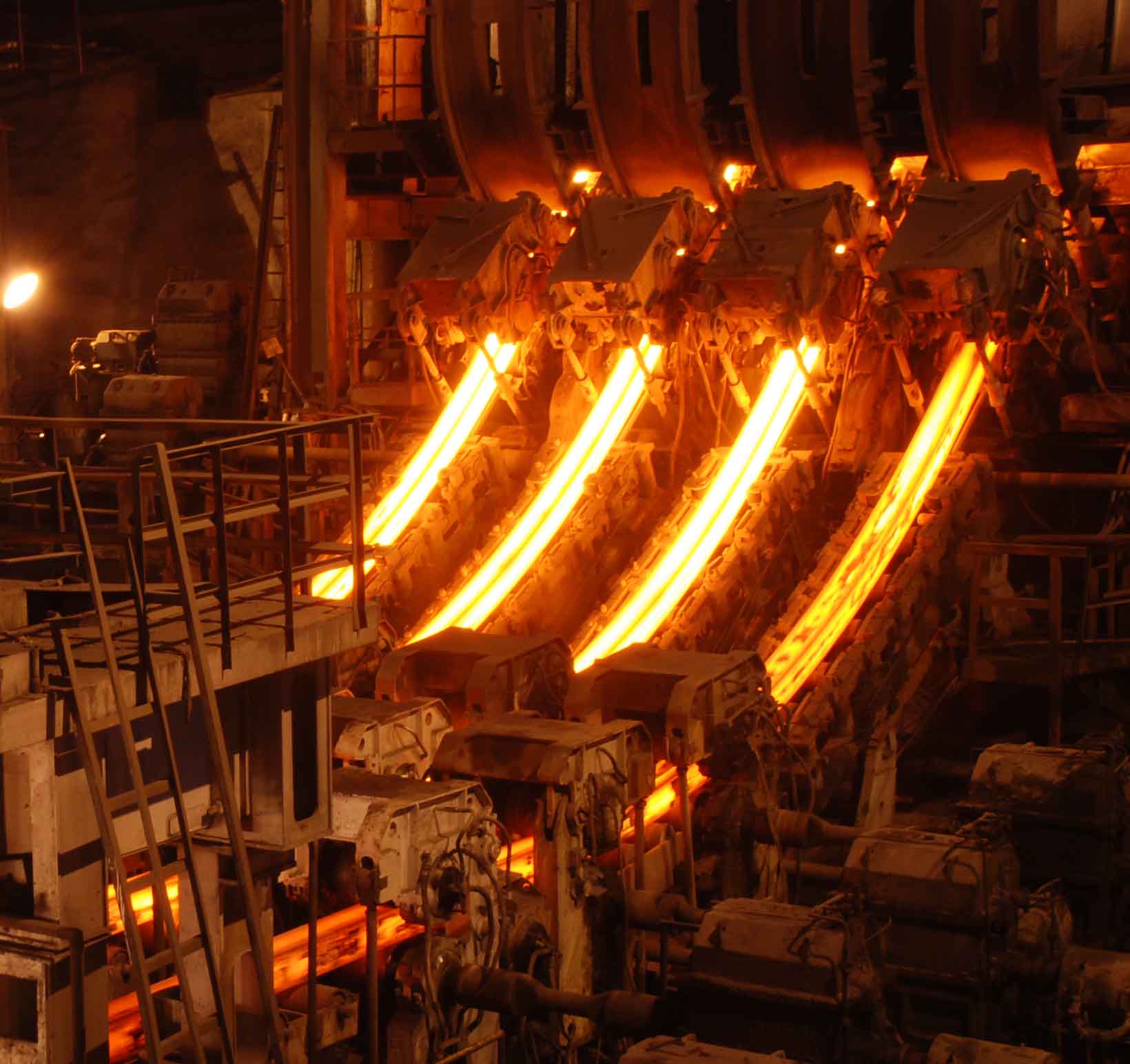
Steel plants combine high temperature, heavy load, impact load, and water splash in one lubrication environment.
- Define the maximum continuous temperature. Convert the bearing operating temperature into a DIN 51502 class. A bearing running at 160°C maps to class P; at 200°C, class S; above 220°C, class U. Select a grease whose working temperature range covers that class. XG/HP covers class R, the polyurea family covers class S, and XG/C4 / XG/C5 cover class U.
- Check the dropping-point margin. The dropping point must sit well above the maximum continuous operating temperature to provide reserve during heat spikes. XG/C4 and XG/C5 carry a 330°C dropping point against a 250°C working limit; XG/HP carries 300°C against 180°C.
- Size the load requirement. For heavy load, impact load, or sliding motion, verify the PD value. XG/HP delivers 315 kgf; XG/C4 and XG/C5 deliver 500 kgf. A grease without a stated PD value cannot be assumed to provide the same extreme-pressure protection.
- Check environmental exposure. Water splash and humidity demand water-resistant chemistry with rust protection. Calcium sulfonate complex grease is the benchmark here. Polyurea and lithium complex provide high-temperature stability, but their behavior under water washout must be evaluated for each lubrication point.
- Verify certifications and model scope. Confirm certificate numbers and the exact product models covered. In XINGANG's published mapping, XG/L1 and XG/L2 are covered by ISO 45001; XG/U1 through XG/U18 are covered by ISO 45001 and fall under quality certificate 07625Q2422R65; XG/C4 and XG/C5 are covered by ISO 45001 and IATF 16949; XG/HP and XG/HP-R are covered by ISO 9001:2015, ISO 45001, and IATF 16949.
- Confirm compatibility with the lubrication system. Centralized lubrication systems require grease with stable structure and reliable feed behavior. The documented XINGANG steel-industry case cites compatibility with centralized lubrication systems as a key performance factor, together with stable grease structure under long-term high temperature and reduced enterprise maintenance costs.
- Define the relubrication plan. Longer grease life enables longer replacement intervals. In a documented comparison against standard MP3 grease, the XINGANG formulation delivered a higher dropping point, high-temperature stability, low oil separation, non-coking properties, strong adhesion, and enhanced extreme-pressure/anti-wear performance. Although the initial raw-material cost per unit of grease is higher, total equipment maintenance costs over the service life are 15% to 20% lower than alternatives.
Use Case: High-Temperature Grease in Steel and Metallurgy
Steel plants are the most demanding test field for high-temperature grease. The working conditions include high temperature, heavy load, impact load, and humid or water-splash environments, with both centralized lubrication systems and manual greasing points. XINGANG grease is documented for lubrication system projects in iron and steel plants, where it provides anti-wear, extreme-pressure, high-temperature resistance, water resistance, and anti-rust protection. Its functions include extending oil change intervals and reducing downtime.
The documented application covers bearings in continuous casting, rolling mills, kiln cars, gearboxes, conveyors, and vibrating screens. In a case involving large steel plants, metallurgical enterprises, and industrial equipment manufacturers, the grease carried a 30-year service record and achieved reduced friction and wear, improved temperature resistance and water resistance, extended lubrication intervals, and enhanced equipment reliability.
XINGANG reports that its products are widely adopted and highly regarded by major steel enterprises, including BAOWU Group, Hebei Steel Group, Shandong Steel Group, Ma Steel, Taigang Steel, Liugang Steel, Shaogang Steel, Shagang Steel, and Kungang Steel. For an international buyer evaluating a new supplier, this record is relevant because it demonstrates performance in continuous high-temperature production environments, not only in laboratory tests.
Comparison Table: XINGANG High-Temperature Grease Portfolio
| Grease Family | Models | Thickener / Base Oil | Working Temperature | Dropping Point | PD Value | Typical Applications |
|---|---|---|---|---|---|---|
| Lithium Grease | XG/L1, XG/L2 | Lithium, mineral oil | −20~120°C | ≥180°C | Not stated | Multipurpose, automotive, metallurgy, power tools |
| Lithium Complex Grease | XG/HP, XG/HP-R | Lithium complex, mineral oil | −20~180°C | 300°C | 315 kgf | Automobile, metallurgy |
| Polyurea Grease | XG/U1, XG/U2, XG/U5, XG/U6, XG/U10, XG/U17, XG/U18 | Polyurea, mineral / synthetic oil | −20~200°C | 260°C | Not stated | Metallurgy, chemical, textile, printing and dyeing, automobile, mining, oil field, etc. |
| Calcium Sulfonate Complex Grease | XG/C4, XG/C5 | Calcium sulfonate, 150 BS oil | −20~250°C | 330°C | 500 kgf | Mining, machinery, automotive |
Selection rule of thumb: up to 120°C, use XG/L1 or XG/L2; 120–180°C, use XG/HP or XG/HP-R; 180–200°C, use the polyurea family; above 200°C and up to 250°C, use XG/C4 or XG/C5. When water washout is the dominant risk, move directly to calcium sulfonate complex chemistry.
FAQ: High-Temperature Grease Compliance, Capability, and Procurement
What quality certifications cover XINGANG high-temperature grease?
XINGANG holds ISO 9001:2015 quality management certification (07625Q2422R65), ISO 14001:2015 environmental management certification (07625E1532R6S), and ISO 45001:2018 occupational health and safety certification (7625S1361R6S), issued by Beijing ZhongRunXing Certification Co., Ltd. The high-temperature grease families — lithium grease (XG/L1, XG/L2), polyurea grease (XG/U1–XG/U18), calcium sulfonate complex grease (XG/C4, XG/C5), and lithium complex grease (XG/HP, XG/HP-R) — are covered by these systems. For automotive supply, the company also holds IATF 16949:2016 certification (certificate 2024A3002).
What is the maximum working temperature and dropping point available?
The highest-rated product is calcium sulfonate complex grease XG/C4 / XG/C5, with a working temperature range of −20°C to 250°C, a dropping point of 330°C, and a PD value of 500 kgf. The polyurea family reaches 200°C with a 260°C dropping point. The lithium complex XG/HP / XG/HP-R reaches 180°C with a 300°C dropping point and a 315 kgf PD value.
Does higher-performance high-temperature grease increase total cost?
The initial raw-material cost per unit of high-performance grease is higher than standard MP3-type grease. However, the documented formulation delivers a higher dropping point, high-temperature stability, low oil separation, non-coking properties, strong adhesion, and enhanced extreme-pressure/anti-wear performance. In published comparison data, total equipment maintenance costs over the service life are 15% to 20% lower than alternatives, because lubrication intervals extend and maintenance interventions decrease.
Can I evaluate a sample before ordering?
Yes. XINGANG supports OEM production with package and sticker customization, and quality control includes 100% testing before product release. For samples, technical consultation, or application matching, contact Vera Wang at admin@hzxg.com or WhatsApp +86 135-8871-1880. The company exports to India, Pakistan, Vietnam, Malaysia, South Africa, Turkey, Peru, Russia, Southeast Asia, and other markets.
What is the production lead time for high-temperature grease?
For OEM production, XINGANG's monthly capacity is 3000 tons, with a typical lead time of 10 to 20 days. The manufacturing base covers 16,000 m² with an annual output of 45,000 tons. For order-specific timing, confirm with the sales team at admin@hzxg.com.
Conclusion: Buy the Verified Specification, Then the Grease
High-temperature grease is a functional safety component in any production line that operates hot bearings, heavy loads, and long relubrication intervals. The four numbers that separate a reliable product from a costly experiment are working temperature, dropping point, PD value, and certification scope. XINGANG's published portfolio covers the full selection ladder — from 120°C multipurpose lithium grease to 250°C calcium sulfonate complex grease — with ISO 9001, ISO 14001, ISO 45001, and IATF 16949 certification behind the manufacturing system.
Use the checklist in this guide to write a specification any supplier can quote against. Then verify the models, certificate numbers, and application evidence. If your operating point sits between 120°C and 250°C with heavy load or water exposure, the comparison table provides the selection rule.
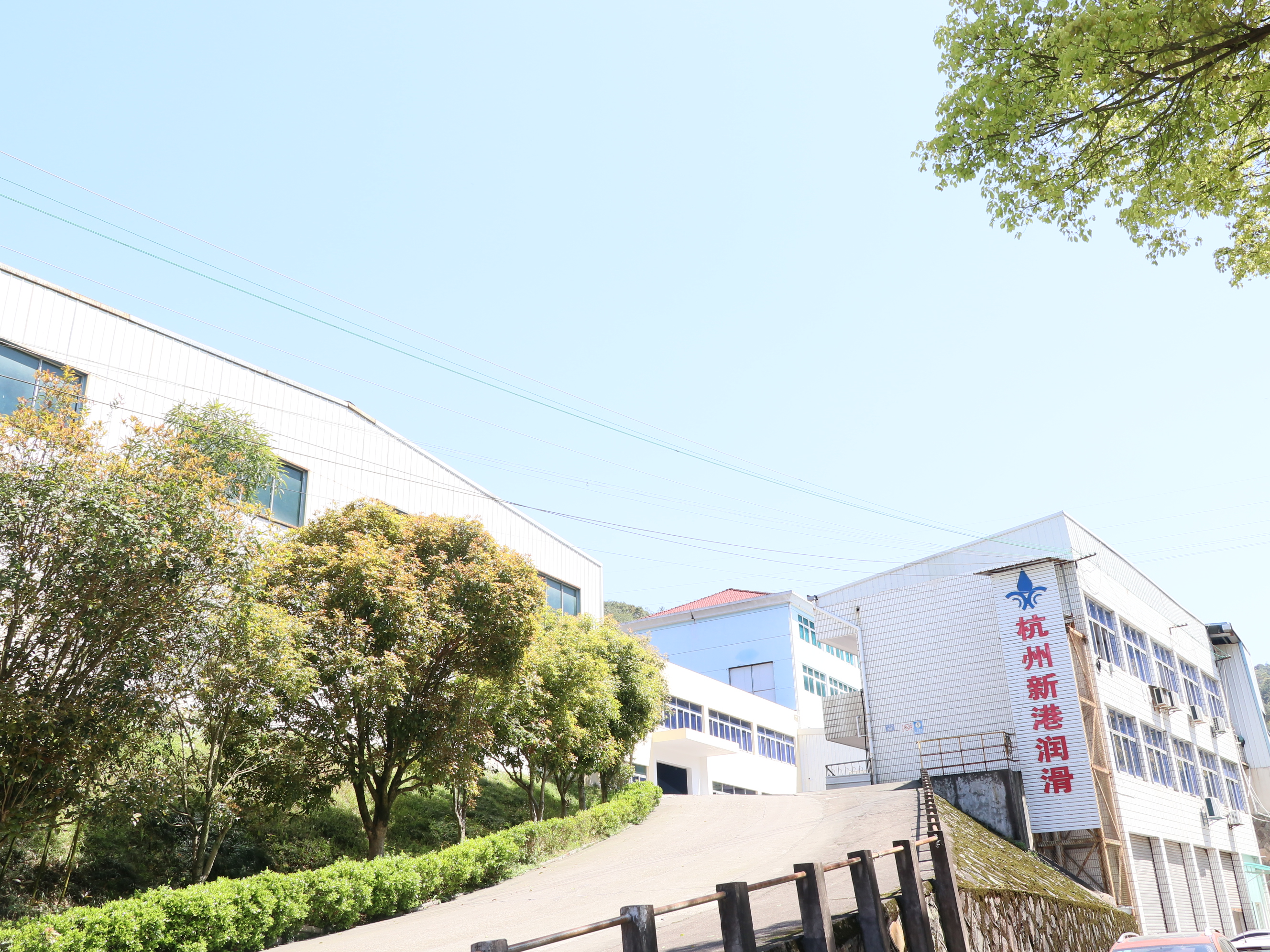
For a full overview of the company, production lines, and export experience, download the XINGANG company profile.
For a sample, quote, or OEM inquiry, contact Vera Wang — admin@hzxg.com — Tel / WhatsApp: +86 135-8871-1880. Visit www.china-lubes.com for more product information.
Have Questions or Need More Details?
Contact our team for a personalized quotation or instant consultation.
Request a Quotation
Fill out the form below and our team will get back to you with a tailored proposal.
WhatsApp Direct Chat
Prefer to chat in real-time? Message us on WhatsApp for instant assistance & quick answers.
- Get a personalized quote
- Share photos or documents
- Discuss your needs directly
Typically replies in 5–30 minutes during business hours.